


A Korean routine for oily skin is based on 5 essential steps: a double cleanse that dissolves sebum without damaging the skin barrier, a balancing toner, a regulating serum (niacinamide or salicylic acid), a light non-comedogenic cream, and a fluid-textured sun protection. The goal is not to dry out the skin, but to rebalance its sebum production.
You're looking for a Korean routine for oily skin and you come across lists of 10 steps that make you want to give up. That's understandable. K-Beauty has a reputation for endless layering, when in reality, for oily skin, less is often more effective. A simplified but well-calibrated routine regulates sebum better than an accumulation of mismatched products.
In this guide, you'll find the steps in order, the active ingredients that truly make a difference for oily skin, the most common mistakes (some of which worsen the problem), and how to adapt your routine according to the season and your exact profile, because "oily skin" encompasses very different realities.
Why does oily skin produce too much sebum and what does it really want? 😅

Oily skin produces excess sebum because its sebaceous glands are overactive, due to androgens (hormones), skin dehydration, a diet rich in high glycemic index foods, or a weakened skin barrier. The result: shine, enlarged pores, blackheads, and recurring blemishes. What this skin needs is rebalancing, not aggression.
The most common mistake is trying to "dry out" oily skin with harsh products. In response to a weakened skin barrier, the sebaceous glands compensate by producing even more sebum, a vicious cycle documented in dermatology. A study published in the British Journal of Dermatology showed that dehydrated oily skin produces up to 40% more sebum than properly hydrated oily skin.
Source: British Journal of Dermatology
K-Beauty has developed a different approach: deep hydration with light, non-comedogenic formulations, gentle exfoliation to keep pores clear, and targeted regulating active ingredients (niacinamide, salicylic acid, centella asiatica) rather than aggressive formulas. This holistic approach explains why Asian oily skin often responds better to Korean routines than to conventional European skincare.
What are the common mistakes that worsen oily skin? ❌
Before building a routine, identifying existing mistakes is as important as choosing the right products. Several common habits actively worsen sebum and blemishes in oily skin.
- Using an overly aggressive or excessively foaming cleanser. Cleansers with strong degreasing power (SLS, SLES at the top of the formula) remove the protective lipids from the skin barrier. The skin reacts by producing more sebum within 2 to 4 hours. A gel cleanser with a pH of 5 to 5.5 is significantly more effective long-term than a harsh "purifying" cleanser.
- Skipping moisturizer "to avoid weighing down the skin." This is the most common and counterproductive mistake. Oily skin that is not hydrated compensates by producing even more sebum. A light water-based emulsion (gel or gel-cream texture), without comedogenic oils, hydrates without occlusion.
- Exfoliating too often or with overly strong acids. Exfoliating 4 to 7 times a week with concentrated AHAs weakens the skin barrier and triggers inflammation. For oily skin, 1 to 2 exfoliations per week with salicylic acid (BHA) is the optimal approach: it penetrates pores and dissolves excess sebum without irritating the surface.
- Using a rich-textured sunscreen. SPF is non-negotiable, even for oily skin. But an overly rich sunscreen clogs pores and amplifies shine. Korean sunscreens have been specifically formulated to solve this problem: watery or serum texture, matte or transparent finish, SPF 50+ with no greasy residue.
- Layering too many exfoliating active ingredients in the same routine. Combining salicylic acid + AHA + retinol in the same evening routine is an irritating overload for any skin type. For oily skin, an alternating approach (exfoliant on evening 1, targeted active on evening 2) is much more effective and less inflammatory.
Expert tip: Many people with oily skin use a cleanser in the morning AND at night, thinking two cleanses are better than one. This is a trap: cleansing in the morning on skin that hasn't accumulated anything overnight unnecessarily weakens the barrier. Replace your morning cleanser with cool water or a gentle foam cleanser; your skin will be less reactive during the day.
Korean oily skin routine in the morning: steps in order 🎯
The morning routine for oily skin in K-Beauty focuses on 4 steps: cleansing without stripping, balancing with a toner, protecting with a light active, and sealing with an appropriate SPF. The goal is to start with clean, hydrated, and protected skin, not stripped.
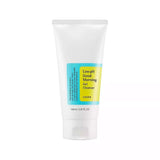
- Gentle cleanser (gel or light foam, pH 5-5.5). In the morning, a light cleanser is sufficient. Look for formulas without harsh sulfates, with centella asiatica or low-concentration salicylic acid to keep pores clean. Suitable Korean brands: COSRX Low pH Good Morning Gel Cleanser (pH 5.0), Anua Heartleaf Pore Control Cleansing Oil (if you opt for a light oil).
- Balancing or gentle astringent toner. Korean toners are not alcoholic European toners; they are a step in hydration and pH balance. For oily skin, choose a toner with niacinamide (2-5%), salicylic acid (0.5-1%), or heartleaf. Apply by patting, not rubbing. The 7-skin method is not suitable for very oily skin; 1 to 2 layers are enough in the morning.
- Regulating serum (optional in the morning). If you use a niacinamide serum 5-10%, now is the time to apply it. Niacinamide reduces sebum production by 20 to 30% after 4 to 6 weeks of daily use, according to clinical studies. A thin layer is sufficient; layering does not multiply effectiveness.
- Light cream or hydrating gel. Gel-cream texture or light emulsion only. Avoid any product containing comedogenic oils at the top of the formula (coconut oil, pure shea butter). Humectants like glycerin and hyaluronic acid are ideal: they hydrate deeply without creating an occlusive film. Quantity: a pea-sized amount, no more.
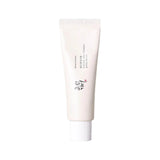
- SPF 50+ fluid texture sun protection. The most important step of the routine, without exception. For oily skin, Korean sunscreens with a watery or matte finish are a revelation: they don't shine, don't clog pores, and some have a pore-blurring effect. The Beauty of Joseon Relief Sun Aqua Fresh Rice + B5 or the Anua Heartleaf Watery Sun Cream are frequently cited references for this profile.
To access a selection of Korean sunscreens suitable for oily skin, we have gathered the best-rated light, non-greasy formulas from K-Beauty.
Korean oily skin routine in the evening: steps in order ✅
The evening routine is more comprehensive than the morning one: it includes double cleansing, targeted exfoliation (1 to 2 evenings per week), and repair and regulating active ingredients. It is the evening routine that produces visible changes over time.
- Cleansing oil or cleansing balm (1st cleanse). Double cleansing begins with a light oil or a bi-phase formula that dissolves SPF, oxidized sebum, and impurities. Contrary to popular belief, non-comedogenic cleansing oils are perfectly suited for oily skin for the first cleanse: they cleanse deeply without altering the skin barrier. Rinse thoroughly with lukewarm water.
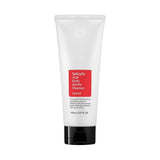
- Foaming cleanser (2nd cleanse). The second cleanse removes oil residues and remaining impurities. For oily skin, a foaming gel with salicylic acid or glycolic acid at a low concentration (0.5-1%) is ideal: it gently exfoliates pores without causing irritation. The pH should remain between 5 and 5.5.
- Toner (same logic as morning, or slightly more active). In the evening, some users opt for a slightly more exfoliating toner (BHA 1%) if they are not using a separate exfoliating active ingredient. There's no need to layer both in the same routine, as this risks over-exfoliation.
-
Targeted active: exfoliant or repairing serum (alternating).
- Evenings 1 and 3 of the week: salicylic acid (BHA) 2% or niacinamide 10% to unclog pores and regulate sebum.
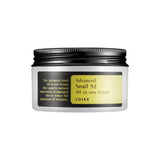
- Evenings 2 and 4: Centella asiatica serum (CICA) or snail mucin to repair and soothe. Snail mucin, found in COSRX formulations, accelerates cell renewal and reduces post-blemish micro-scars.
- Retinol: if you incorporate it, start 1 evening per week with a low concentration (0.025-0.05%) and do not combine it with acids on the same night.
- Light cream or hydrating gel (same product as morning or richer depending on the season). In the evening, you can use a slightly richer texture than in the morning if your skin feels tight by the end of the day. Avoid heavy occlusives (pure petroleum jelly, shea butter) on active acne-prone skin; reserve them for occasionally dry areas.
For a complete selection of products calibrated for this profile, the oily skin routine brings together the steps and K-Beauty formulations adapted to this skin type.
Which K-Beauty active ingredients are most effective for oily skin? 🌿
Five active ingredients dominate Korean formulations for oily skin, each with a specific role in sebum regulation, pore cleansing, and blemish prevention.
| Active Ingredient | Mechanism of Action | Effective Concentration | Application Time |
|---|---|---|---|
| Niacinamide | Reduces sebum production, tightens pores, evens skin tone | 5–10 % | Morning and/or evening |
| Salicylic Acid (BHA) | Penetrates oil-soluble pores, dissolves sebaceous plugs, gently exfoliates | 0.5–2 % | Evening, 2-3 times/week |
| Centella asiatica (CICA) | Soothes inflammation, repairs skin barrier, reduces blemish-related redness | Variable (extract, madecassoside) | Morning and/or evening |
| Heartleaf (Houttuynia cordata) | Natural antibacterial, anti-inflammatory, regulates sebum, popularized by Anua | 77–90 % in some Anua formulations | Morning and/or evening |
| Hyaluronic Acid | Non-occlusive hydration, attracts water into the epidermis without adding oil | 0.1–2 % | Morning and evening |
| Retinol / Retinal | Accelerates cell renewal, reduces pores, prevents blackheads | 0.025–0.1 % to start | Evening only, 1-3 times/week |
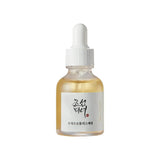
Korean brands that formulate specifically for oily and combination skin include COSRX (salicylic acid, niacinamide), Anua (heartleaf), SKIN1004 (centella asiatica), Isntree (BHA, niacinamide), and Beauty of Joseon (light SPF, balanced serums). These brands are accessible via the Korean serums and ampoules selected for this skin profile.
Source: Journal of the American Academy of Dermatology
How to adapt your Korean oily skin routine according to the season? 🌞

Oily skin is not the same all year round. In summer, heat and humidity amplify sebum production and pore obstruction. In winter, indoor heating and dry air can paradoxically cause dehydration even on oily skin, leading to compensatory overproduction. Adapting your routine according to the season prevents this imbalance.
Summer: lighten cream texture (pure hydrating gel rather than emulsion), increase BHA exfoliation frequency if pores clog faster, favor ultra-light watery sunscreen textures. Avoid overly frequent fresh mists that can unbalance the skin's surface microbiome.
Winter: maintain the basic balancing routine, but add an additional humectant if skin feels tight by the end of the day (a few drops of hyaluronic acid under the cream). Reduce exfoliation frequency to 1 to 2 times a week if skin reacts more. Never omit SPF in winter; UVA rays penetrate even on cloudy days and worsen post-blemish marks.
If you are unsure about the exact nature of your oily skin (globally oily, combination, dehydrated oily, sensitive oily), the free skin diagnostic helps refine the profile before choosing active ingredients.
FAQ - Korean oily skin routine: your frequently asked questions 💬
How many steps are really necessary for oily skin in K-Beauty?
5 steps are more than enough for an effective Korean routine for oily skin: cleansing oil + foaming cleanser in the evening (double cleanse), toner, targeted serum, light cream, and SPF in the morning. The 10-step K-Beauty routine is an ideal, not an obligation. For oily skin, layering too many products can clog pores and worsen blemishes.
The key is the quality of the chosen products, not their number. A well-calibrated 5-step routine yields better results than a mismatched 10-step routine. If you had to choose 3 absolute priorities: double cleansing, SPF, and a regulating serum (niacinamide or BHA).
Can oils be used in a routine for oily skin?
Yes, provided you choose the right ones. Non-comedogenic Korean cleansing oils are perfectly suited for oily skin for the first cleanse: they dissolve oxidized sebum and SPF without altering the barrier. However, serum oils (jojoba, rosehip) must be chosen carefully based on their comedogenic rating.
Oils with a low comedogenic rating (0-2) such as squalane oil, grape seed oil, or tamanu oil are generally well-tolerated by oily skin. Oils with a high comedogenic rating such as coconut oil (rating 4) or flaxseed oil (rating 4) should be avoided on acne-prone skin.
How long does it take to see improvement with a Korean routine for oily skin?
The first visible changes usually appear between 3 and 6 weeks for sebum regulation and reduction of shine. The reduction of enlarged pores takes 4 to 8 weeks with regular use of 5% niacinamide. The disappearance of post-acne marks requires a minimum of 8 to 12 weeks.
These timelines assume a consistent daily routine. Changing products every 3 weeks resets the clock, which is one reason why many people with oily skin do not see improvement despite using quality products. Photographing your skin every 4 weeks under the same conditions is the most reliable method to measure real progress.
Can niacinamide and salicylic acid be combined in an oily skin routine?
Yes, and it is even one of the most effective combinations for oily skin: niacinamide regulates sebum and evens skin tone, while salicylic acid (BHA) unclogs pores and exfoliates. These two active ingredients work at compatible pH levels and mutually reinforce each other without documented negative interactions.
In practice, the simplest way to combine them: niacinamide in the serum or toner (morning and/or evening), salicylic acid in the cleanser or as a targeted exfoliant 2 to 3 evenings per week. Avoid combining salicylic acid with a strong AHA (glycolic acid >5%) on the same night; accumulating acids in a single session increases the risk of irritation.
Do I need to use a moisturizer if my skin is already very oily?
Yes, it is essential. Oily skin that is not hydrated produces even more sebum to compensate for the lack of water in the superficial layers of the epidermis. This compensatory mechanism is well-documented in dermatology: omitting moisturizer worsens shine in the medium term, even if it seems to improve the situation in the short term.
The key is to choose the right texture: a light water-based emulsion (gel-cream, hydrating fluid) with humectants (glycerin, hyaluronic acid, beta-glucan) and without comedogenic oils. Korean creams for oily skin often have translucent gel formulations that hydrate deeply with a matte finish, a noticeable difference compared to light European creams.
What sunscreen should I choose for oily skin with a Korean routine?
Korean sunscreens are the most suitable for oily skin on the market: they have been formulated for Asian skin prone to oiliness and shine, with watery, serum, or fluid textures, and modern UV filters (Tinosorb, Uvinul, Bemotrizinol) that do not leave a greasy residue.
Among the most suitable references: Beauty of Joseon Relief Sun Birch & Rice SPF 50+ (transparent finish, fluid texture), Anua Heartleaf Watery Sun Cream SPF 50+ (light gel texture, soothing), COSRX Aloe Soothing Sun Cream SPF 50+ (hydrating without residue). All are available in the selection of Korean sunscreens.
Key takeaways for an effective Korean oily skin routine 🌟
Three ideas to keep in mind:
- Hydrate, do not dry out. Unhydrated oily skin produces more sebum, not less. A light gel-cream or non-comedogenic fluid is essential morning and night, even if your skin is shiny.
- 5 steps are enough; well-chosen are better than 10 mismatched. Double cleansing in the evening, balancing toner, regulating serum, light cream, SPF 50+ in the morning—this is the foundation that delivers results over time.
- K-Beauty active ingredients make the difference. Niacinamide, salicylic acid, centella asiatica, and heartleaf are proven to regulate sebum, unclog pores, and soothe, at precise concentrations and in alternation, not layered.
If you want to start with a selection already calibrated for your exact profile, the Oily Skin K-Beauty Routine gathers the adapted steps and products, without overload.

