

For sensitive skin, the right moisturizer has a short formula, soothing active ingredients (centella, panthenol, ceramides, allantoin), and as little fragrance or denatured alcohol as possible. Its texture should suit your skin type: a gel-cream if you have combination to oily skin, or a more enveloping cream if your skin feels tight. You'll find these types in our selection of Korean moisturizers, and this guide will help you choose without making a mistake.
Sensitive, reactive, or dehydrated skin: what your cream really needs to do
Sensitive skin reacts quickly. Tingling, redness, or a burning sensation after cleansing, exposure to cold wind, or using a new skincare product. Most often, this is a sign of a weakened skin barrier: it lets moisture escape and makes it easier for irritants to get in.
Your cream therefore has three missions: moisturize, soothe discomfort, and help the barrier regain its strength. If you want to understand this mechanism in detail, read our article on the skin barrier.
Be careful not to confuse it with dehydrated skin. Dehydrated skin also feels tight, but it calms down as soon as you give it water. Sensitive skin, on the other hand, can sometimes react to products that are supposed to help it. The two can also coexist. If you're unsure, our free skin quiz will help clear things up in just a few questions.
"Having sensitive skin doesn't mean nothing will work for you: it means choosing fewer products, but better ones." Cédric, co-founder
Soothing active ingredients to look for in a cream for sensitive skin
Turn the jar over and read the INCI list. The ingredients are listed from most to least concentrated. Here are the ones you can trust when your skin is reactive:
- Centella asiatica and madecassoside: the flagship soothing active in K-Beauty. It helps calm burning sensations and the appearance of temporary redness.
- Panthenol and allantoin: they soften the skin and reduce discomfort, especially after cleansing.
- Ceramides, cholesterol, and fatty acids: they reproduce the skin barrier's natural cement. This is the foundation of a comfort cream.
- Glycerin and hyaluronic acid: these humectants attract and retain water in the skin's surface layers.
- Beta-glucan: a gentle moisturizer loved by skin that feels tight.
- Heartleaf (houttuynia cordata) and green tea: two plant extracts renowned for their soothing properties.
A word on niacinamide. It helps even out skin tone and strengthen the barrier, but some highly reactive skin types may tingle with formulas where it is highly concentrated. If that's you, start with a cream where it is not the star active ingredient.
Ingredients to avoid in your cream for sensitive skin
There's no need to avoid every complicated name. However, some ingredients deserve your attention:
- Fragrance: look for the words parfum or fragrance in the list. On reactive skin, it can be enough to trigger tingling and redness.
- Denatured alcohol (alcohol denat.) near the top of the list: it gives a cooling sensation but dries out the skin.
- Essential oils from citrus, mint, lavender, or eucalyptus: natural doesn't mean gentle.
- Menthol and camphor: the cooling effect can irritate skin that is already inflamed.
- Exfoliating acids in a day cream: AHAs and BHAs have their place in a routine, but not in the product you apply every morning to weakened skin.
Good to know: cetyl or cetearyl alcohol has nothing to do with denatured alcohol. These are fatty alcohols that soften the skin and give the cream its texture. You can keep them.
Which texture to choose according to your sensitive skin type
Sensitive skin can be oily, dry, or combination. The ideal texture depends on this second factor, not just sensitivity.
Sensitive combination to oily skin: the gel-cream
You want hydration without a shiny film. A gel-cream absorbs quickly, layers well under sunscreen, and doesn't overload the T-zone. Choose a soothing formula rather than an alcohol-laden mattifying gel.
Sensitive dry skin: a more enveloping cream
Your skin lacks both water and lipids. Choose a richer cream with ceramides and plant oils that leaves a lasting feeling of comfort. Apply it to skin that is still slightly damp to better retain moisture.
Sensitive mature skin: comfort above all
Over time, skin produces fewer lipids and becomes more reactive. A cream that moisturizes and provides comfort takes precedence over powerful anti-aging actives, which you can introduce later, one at a time.
If redness is a major concern, also explore our redness and irritation selection, designed for skin that easily becomes inflamed.
Our selection of Korean moisturizers for sensitive skin
This table helps you identify the cream that suits you. Every skin type is unique: always test a new product on a small area before using it everywhere.
| Cream | For which sensitive skin | Main role | Recommended time |
|---|---|---|---|
| iUNIK Centella Calming Gel Cream | Combination, prone to redness | Soothes and cools | Especially in the morning |
| Dr. Althea 147 Barrier Cream | Dry, weakened barrier | Strengthens the barrier, provides comfort | Morning and evening |
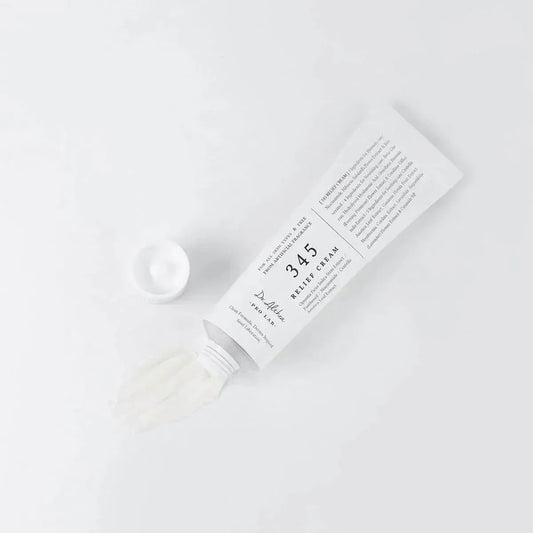
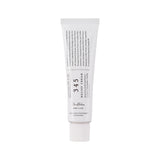
| Dr. Althea 345 Relief Cream | Post-acne marks, residual redness | Soothes, evens out skin tone | Morning and evening |
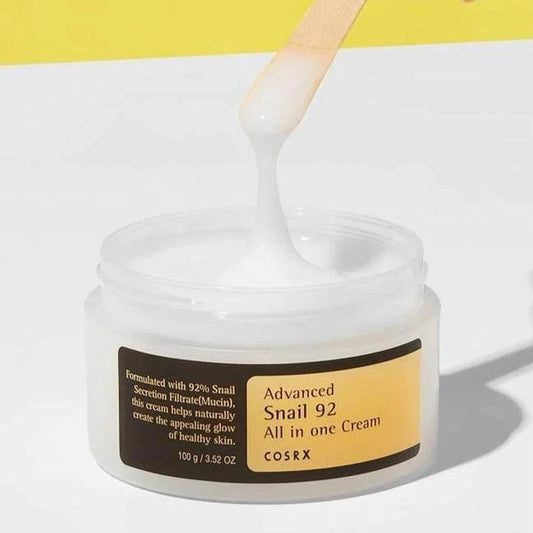
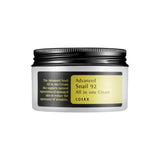
| COSRX Advanced Snail 92 All In One Cream | Dehydrated, feels tight | Moisturizes, softens | Morning and evening |
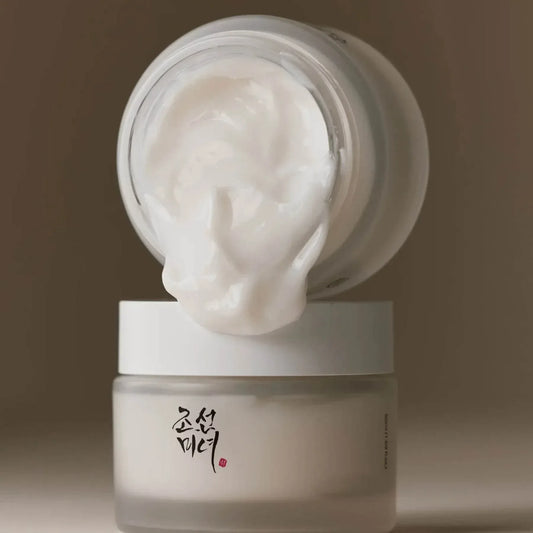
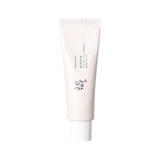
| Beauty of Joseon Dynasty Cream | Dry or mature | Moisturizes, provides comfort and radiance | Morning and evening |
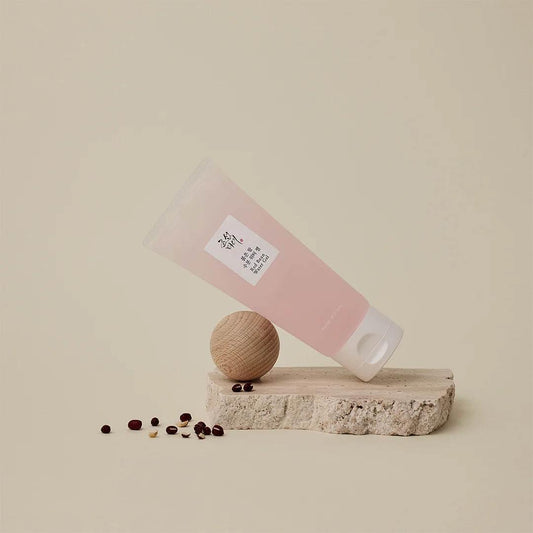
| Beauty of Joseon Red Bean Water Gel | Combination to oily, not very reactive | Moisturizes without feeling heavy | Morning |
Does your skin redden and feel hot easily? The iUNIK Centella Calming Gel Cream is made for you. It soothes irritated and sensitive skin. Mathilde says: "[...] I'm prone to redness, and it soothes my skin greatly. It's very pleasant to apply in the morning [...]" (customer review left on our site).
Does your skin feel tight and react to everything? The Dr. Althea 147 Barrier Cream is designed for sensitive, dry, or redness-prone skin. Its role: to support a weakened barrier and provide immediate comfort.
Does your skin retain marks after breakouts? The Dr. Althea 345 Relief Cream helps soothe residual redness and reduces the appearance of marks for a more even complexion. Helene describes it as a "Very good moisturizer whose effect lasts all day on my mature skin. Very pleasant texture, absorbs quickly" (customer review left on our site).
Is your sensitive skin mainly dehydrated? The COSRX Advanced Snail 92 All In One Cream moisturizes and softens the skin daily. Delphine adopted it despite an initially mixed impression: "The texture is strange at first, but it's the first time a cream doesn't feel sticky and leaves the skin soft, without tightness for hours." (customer review left on our site).
Is your skin dry or mature? The Beauty of Joseon Dynasty Cream is suitable for dry, combination, or sensitive skin and can be used morning and evening. For combination to oily skin that is not very reactive, the Red Bean Water Gel moisturizes without feeling heavy. Sandrine sums it up in one sentence: "Gentle, non-greasy moisturizer, I love it" (customer review left on our site).
Day cream for sensitive skin: where does it fit in your routine?
Sensitive skin likes short, consistent routines. In the morning, stick to this order:
- Gentle cleansing: a soap-free cleanser or simply rinsing with lukewarm water if your skin is highly reactive.
- Soothing toner: applied with your hands, patting gently, never with a cotton pad that rubs.
- Serum if you use one: just one, soothing or moisturizing.
- Moisturizer: on skin that is still slightly damp.
- Sunscreen: essential, as the sun makes skin more sensitive. Choose yours from our selection of Korean sunscreens.
In the evening, after gentle cleansing, you can use the same cream or switch to a richer texture if your skin feels tight upon waking. To build the rest of your steps, our Korean routine for sensitive skin guide details every step.
The mistakes that make your sensitive skin even more reactive
- Changing creams too often: your skin needs time to get used to them. Keep the same formula for several weeks before judging.
- Introducing several new products at the same time: if your skin reacts, you won't know which product is the cause. One new product at a time.
- Skipping the patch test: apply the cream to a small area near your jawline for a few days before applying it to your entire face.
- Washing with hot water: it dissolves protective lipids. Prefer lukewarm water.
- Rubbing: with a towel or your hands. Pat, press, but do not rub.
- Layering powerful actives: retinol, acids, and highly concentrated vitamin C at the same time weaken an already stressed barrier.
- Believing that a cream needs to tingle to work: on sensitive skin, tingling is a warning sign, not proof of effectiveness.
In summary: a short formula, soothing active ingredients, a texture suited to your skin type, and a consistent routine. That's all your sensitive skin needs to regain its comfort.