



Skin Diagnosis
Designed with experts, this skin analysis reveals your skin type and suggests a simple Korean routine that suits you.
Answer the 7 questions
We'll ask you 7 questions about your skin's sensations, your reactivity to products, and your main concern. No jargon, no tricks.
Receive your results
Check your spam folder if you don't receive anything within 5 minutes.
You will receive your exact skin type, the Korean active ingredients adapted to your profile, and a complete routine selected for you.
Order your routine
You can order the complete Korean routine or choose products one by one according to your priorities.
Why get a skin diagnosis before making any purchase?
Buying skincare products without knowing your skin type is the most common pitfall in skincare. Many cosmetics shoppers use products that don't suit their skin without realising it. The result: irritations, persistent imperfections, wasted budget.
The diagnosis identifies your sebum level, reactivity, perceived hydration, and sensitivity to seasonal changes. This data directly guides you to the Korean active ingredients best suited to your profile: niacinamide for oily skin, centella asiatica for sensitive skin, hyaluronic acid for dry skin.
The 4 skin types identified by the diagnosis
Each profile has its own needs and go-to Korean products. These types evolve with the seasons, age, and hormonal changes.
| Skin type | Typical signs | Recommended K-beauty ingredients |
|---|---|---|
| Normal skin | Balanced, barely visible pores, comfortable all day | Niacinamide, hyaluronic acid, probiotics |
| Dry skin | Tightness, discomfort after cleansing, dull complexion | Ceramides, snail mucin, shea butter |
| Oily skin | Shine by mid-morning, enlarged pores, prone to breakouts | Salicylic acid (BHA), niacinamide 5%, green tea |
| Combination skin | Oily T-zone, normal or dry cheeks | Centella asiatica, hyaluronic acid, alcohol-free toner |
Skin dryness can vary between summer and winter.
Frequently asked questions: Skin analysis
Is an online skin analysis reliable?
Is an online skin analysis reliable?
Yes, if it’s based on precise, functional questions. Our questionnaire combines how your skin feels after cleansing, how it reacts to products and your current concerns.
It doesn’t replace a dermatologist consultation for skin conditions, but it’s enough to build a Korean routine that suits you.
Where can I get a free skin analysis offline?
Where can I get a free skin analysis offline?
In pharmacies during brand events, at some beauty salons (assessment between €0 and €50) or with a dermatologist (€30 to €80) for complex cases.
The Holy Skin store in Bordeaux also offers in-person skin analyses, by appointment, with a Korean routine recommended on the spot (€20, deducted from purchases of €50 or more).
How often should you redo a skin analysis?
How often should you redo a skin analysis?
At least twice a year, at the main seasonal changes: spring-summer (more sebum) and autumn-winter (drier skin).
Hormonal changes, medical treatment or pregnancy can also change your profile and call for a new skin analysis.
Can my skin type change with a Korean routine?
Can my skin type change with a Korean routine?
Yes. Strengthening the skin barrier with ingredients like ceramides, snail mucin or madecassoside can rebalance under-hydrated combination or oily skin.
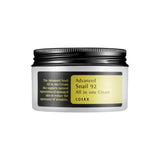
Snail mucin is a well-known ingredient that helps keep skin hydrated.
Is the skin analysis suitable for problem skin (acne, dark spots)?
Is the skin analysis suitable for problem skin (acne, dark spots)?
Yes, one question is dedicated to your main concern, to tell oily, acne-prone skin apart from combination skin with occasional blemishes.
These two profiles don’t tolerate the same ingredients. For severe acne or deep hyperpigmentation, the skin analysis points you to documented ingredients (salicylic acid, 10% niacinamide, azelaic acid), but seeing a dermatologist is still recommended alongside it.