



Are Yves Rocher products really good? The short answer: some live up to their promises, others are frankly outdated. After analyzing compositions, customer reviews, and available studies, here’s an unfiltered look at what this French brand is really worth in 2026.
Yves Rocher remains a mass-market benchmark thanks to its affordable prices and plant-based positioning. But in recent years, negative reviews have multiplied on Trustpilot (a score of 2/5 from over 1,300 reviews), and searches for "dangerous Yves Rocher products" or Yuka ratings have exploded. Let's take an honest look, range by range.
Looking for a more concentrated moisturizer? Korean formulas focus on low molecular weight hyaluronic acid, an active ingredient precisely absent from Yves Rocher hydration ranges. (see Korean moisturizers)
Are Yves Rocher products really natural? 🌿
This is the central question raised by most research on the brand. Yves Rocher presents itself as a pioneer of botanical cosmetics since 1959, with its own cultivation farm in Brittany. But the facts are more nuanced.
On the positive side: the formulas are paraben-free, packaging is mostly eco-designed, and several ranges include real plant extracts. Aloe vera, shea butter, and chamomile extracts frequently appear in compositions.
On the problematic side, several products still contain:
- Silicones (dimethicone, cyclopentasiloxane) which create an immediate smoothing effect but can clog pores in the long term for some skin types.
- Denatured alcohol in some serums, irritating for sensitive and dry skin.
- Synthetic fragrances, potential allergens listed at the end of the composition.
On Yuka, scores therefore vary widely depending on the products: some creams pass without issue, others show mediocre ratings due to these controversial ingredients. Neither "clean" nor "dangerous" in the medical sense of the term, Yves Rocher is in an intermediate zone that many mass-market French brands still occupy.
Expert tip: Reading "natural ingredients" on the packaging does not mean a clean formula. The plant origin of an ingredient does not prejudge its concentration or the presence of other synthetic components. Always check the first 5 to 10 ingredients on the INCI list, which represent 80% of the formula.
Yves Rocher face care: what really works 🔍
The brand offers dozens of face care references. Here's an honest analysis by category.
Moisturizers: options exist for all skin types, but active ingredient concentrations remain limited. The Sensitive Soothing Light Cream with Chamomile is suitable for normal to combination skin, but it is insufficient for truly dry skin. The 48H Non-Stop Hydration Gel Cream does the job for oily skin, with no notable innovation.
Anti-aging serums: this is where it falls shortest. The Lifting Anti-Wrinkle Serum contains collagen, but standard collagen molecules are too large to penetrate the dermis, as confirmed by available dermatological data. (Source: Journal of Cosmetic Dermatology, link to be added manually.) The effect is therefore mainly superficial. The Lift Pro-Collagen range, regularly cited in reviews, was the subject of a comparison by Que Choisir which highlighted insufficient results given the price.
Cleansers: generally honest. The Pure Menthe Purifying Cleansing Gel is sulfate-free, which is a real positive. However, it can cause tightness on normal to dry skin due to menthol agents. Micellar waters in the Sensitive range are gentle but insufficient for double cleansing waterproof makeup.
| Category | What works | What's missing |
|---|---|---|
| Hydration | Pleasant textures, affordable prices | Low active ingredient concentrations (low molecular weight hyaluronic acid absent) |
| Anti-aging | Pleasant galenic, well-known Lift Pro-Collagen | Non-penetrating collagen, retinol absent or anecdotal |
| Cleansing | Sulfate-free for several references | Alcohol in some formulas, irritating fragrances |
| SPF | Decent After-Sun range | Underdeveloped daily face SPF compared to the current market |
What are Yves Rocher's weaknesses according to dermatologists? 🧴
This is the query that generates the most impressions on this article (over 5,000) and it deserves a direct answer.
Dermatologists who comment on the brand generally raise three points:
- Insufficient concentrations. Active ingredients mentioned in communication (peptides, plant extracts, hyaluronic acid) often appear at the end of the INCI list, meaning they are present in trace amounts rather than at effective doses.
- Fragrances in "sensitive" care. Several references in the Sensitive range still contain synthetic fragrances, which is paradoxical for a reactive skin target.
- Absence of clinically validated active ingredients at high concentrations. Documented effective anti-aging care relies on niacinamide (5-10%), retinol (0.025% and higher), stable vitamin C (10-20%), or functional peptides. These active ingredients are almost absent from Yves Rocher formulas or present at symbolic levels.
This does not mean that the products are "dangerous." They are perfectly suitable for someone looking for basic care without harshness. For those expecting visible results on a targeted problem (wrinkles, spots, acne, radiance), the formulation shows its limits.
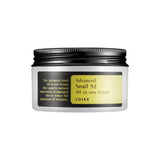
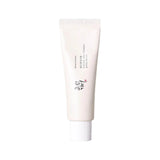
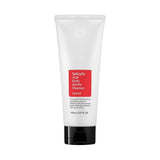
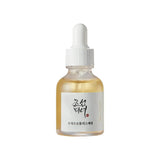
For care with concentrated and clinically documented active ingredients, Korean brands like COSRX (niacinamide, BHA) or Beauty of Joseon (ectoin, rice extract, SPF) publish their concentrations and work with independent clinical data.
The best Yves Rocher products: which ones are really worth the price? ✅
Even with a critical approach, some references deserve to be mentioned.
- Riche Crème: a solid nourishing cream for very dry skin, appreciated for decades for its rich texture and value for money. No innovation, but it does what it promises.
- Hydra Végétal: the light range for combination skin remains a safe bet for a tight budget. Clean formula compared to the rest of the range.
- Sensitive Micellar Water: one of the gentlest on the mass market. Suitable for very reactive skin as a daytime makeup remover.
- Body After-Sun: effective and low-irritating. One of the brand's most consistent lines.
These products work well in their category, provided you don't expect them to deliver what they cannot: real work on the skin barrier, evening out skin tone, or visible wrinkle smoothing.
Yves Rocher customer reviews: what people really think in 2026 💬
Online reviews paint a mixed picture. On Trustpilot, the overall rating is 2/5 from over 1,300 verified reviews. The most frequent complaints concern:
- Customer service deemed inaccessible or unresponsive.
- Aggressive sales practices in stores (pressure at checkout, inducement to leave an email address).
- Price disparities between the website and physical stores.
- "Flagship" products discontinued and replaced by formulas deemed less effective.
Positive reviews exist, and they mainly concern specific products (waterproof felt-tip eyeliner, makeup remover oil, certain aestheticians in stores). Satisfaction is therefore very linked to the product purchased, not to the brand as a whole.
This divide between the brand image ("accessible botanical cosmetics") and the real experience is probably what explains the sharp increase in searches for "negative reviews" and "dangerous Yves Rocher products" in recent years.
Yves Rocher vs. Korean skincare: what are the concrete differences? 🔄
The comparison naturally comes up in related searches, so let's address it frankly.
| Criterion | Yves Rocher | Korean Skincare (K-Beauty) |
|---|---|---|
| Formulation approach | Plant-based ingredients, natural image | Documented active ingredients at effective doses (niacinamide, BHA, CICA) |
| INCI transparency | Available but concentrations not communicated | Concentrations often published (COSRX, Anua, Skin1004) |
| Daily SPF range | Underdeveloped for the face | Major strong point (Beauty of Joseon SPF50+, ISNTREE) |
| Entry price | Accessible (10-25 euros for basic care) | Accessible to medium (12-35 euros, more concentrated active ingredients) |
| Innovation | Limited, slow reformulation cycles | Rapid cycles, integrated clinical dermatology |
| Sensitive skin | Dedicated ranges but fragrances still present | Many fragrance-free formulas (Anua, Round Lab, Dr. Althea) |
The difference isn't that K-Beauty is "better" in principle. It's that the formulation approach is different: Korean skincare starts with expected clinical results and works backward to choose active ingredients, whereas many mass-market French brands start with a brand image to select ingredients that support it.
For skin with a specific problem to treat, this difference is felt in the results after 4-8 weeks.
Our final verdict on Yves Rocher 🎯
Three things to remember before deciding:
Yves Rocher is an honest brand for basic use: hydrating, cleansing, maintaining. It doesn't pretend to be what it isn't in its entry-level ranges, and some references have held up for decades.
However, if you have a specific skin concern (acne, spots, pronounced wrinkles, sensitive skin with reactivity), the formulas lack active ingredients in sufficient doses to produce a visible change. You risk finding yourself switching products after 6 weeks with no results.
The negative reviews that dominate platforms mainly concern customer experience and service, not just the products. This is a nuance that matters in the overall evaluation.
If you want to explore care with clinically dosed active ingredients adapted to your skin type, start with Holy Skin's free skin diagnostic. In 2 minutes, you'll get a personalized routine with Korean references selected for your specific profile. And if you want to compare directly with alternatives for anti-aging or deep hydration, our selection of Korean care products addresses the same needs as Yves Rocher ranges, with more concentrated formulas.

