


Embryolisse is one of those creams you find everywhere: in professional makeup artists' kits, on pharmacy shelves, in Reddit skincare threads. But there is sometimes a gap between reputation and reality. Reviews for Embryolisse are numerous and contradictory: die-hard fans who have used it for ten years, people with oily skin who regretted their purchase, and dermatologists who temper the enthusiasm. This guide provides an unbiased overview of its composition, the skin profiles it concerns, the available clinical feedback, and alternatives if this cream doesn't suit you.
What is Embryolisse and why is there so much hype around this cream? 🔬

Embryolisse is a French laboratory founded in 1950 by a Parisian dermatologist. Its flagship product, the Lait-Crème Concentré, was originally designed as a post-dermatological treatment. It contains three main active ingredients: soy proteins (to soften the skin barrier), shea butter (repairing lipids), and aloe vera (surface hydration). The formula is paraben-free, contains no added synthetic fragrance, and features a pH compatible with the skin barrier.
What propelled the brand to cult status is its massive adoption by professional makeup artists: used as a makeup base, a hydrating primer, or a night treatment, the Lait-Crème Concentré has a versatile profile that few creams can claim. The result: more than 360 Trustpilot reviews with a rating of 4.7/5, and a presence in the top beauty products of almost every French cosmetic media outlet.
Dermatologists' opinions on Embryolisse: what they really say 🩺
Dermatologists who recommend Embryolisse do so mainly for two situations: very dry or atopic skin, and skin in the recovery phase after treatments (peelings, lasers, acne treatment). The occlusive formula, similar to compositions used in hospital dermatology, is well tolerated by the majority of reactive and very sensitive skin types.
The point on which dermatologists nuance their view: the Lait-Crème is not suitable for acne-prone or oily skin. Its emollient texture, composed of sesame oil and beeswax in some formulations, can clog pores and aggravate open comedones. Comedogenicity tests exist but vary according to formulations and the concentration of ingredients—two factors that in vitro studies do not faithfully reproduce. A study published in the Journal of Cosmetic Dermatology reminds us that the evaluation of comedogenicity must be done in vivo, not just on the INCI list.
Source: Journal of Cosmetic Dermatology, "Comedogenicity testing: In vitro vs in vivo methods"
The clinical conclusion is simple: Embryolisse is a very good product for dry, sensitive, and normal skin. It is an unsuitable, and potentially counterproductive, product for oily and combination acne-prone skin.
User reviews: strengths and concrete limitations ✍️

User feedback converges on several specific points. On the positive side, the texture is often described as melting without being greasy on dry skin, the soft skin effect is felt from the first application, and its versatility (makeup, makeup removal, night care) is a recurring argument. Many women aged 30 and over praise it as a nourishing night cream during the winter.
Negative reviews are more targeted and concern specific profiles:
- Oily skin types report a sensation of an occlusive film, clogged pores after a few weeks of regular use, and the appearance of microcysts in some cases.
- Some users report a reduction in the amount of product in recent tubes without a change in price, a grievance that frequently comes up on French beauty forums.
- Occasional skin reactions (redness, slight irritation) are mentioned, often linked to the presence of sesame oil for people with allergies to oilseeds.
On the Que Choisir website, a comparison of undesirable ingredients points to certain components of the formulation as potentially irritating at high concentrations. This is a warning signal, but not an absolute contraindication for normal to dry skin.
Embryolisse by skin type: who can really use it? 🧬
Here is a direct take on skin profiles regarding the Embryolisse Lait-Crème Concentré:
| Skin type | Verdict | Usage advice |
|---|---|---|
| Dry skin | Highly suitable | Morning and evening, in a generous layer on slightly damp skin |
| Normal skin | Suitable | Evening only if you are looking for a versatile cream |
| Sensitive / reactive skin | Highly suitable | Well-tolerated formula, ideal post-treatment or during reactive periods |
| Combination skin | Limited use | U-zone only (cheeks, lip contour), avoid the T-zone |
| Oily skin | Not recommended | Risk of pore obstruction and worsening of comedones |
| Acne-prone skin | Not recommended | The emollient texture can aggravate existing lesions |
| Atopic / eczematous skin | Highly suitable | Formula similar to emollients used in dermatology |
Embryolisse Rétinol-Like and the other products in the range: which ones are worth it? 🧴
The brand has expanded its range well beyond the original Lait-Crème. Two products now concentrate a significant share of research and reviews:
The Lait-Crème Rétinol-Like, a formula that incorporates ingredients that "mimic" retinol without the irritation associated with active retinoids. It targets cell renewal via ingredients like lactic acid and stimulating peptides. Reviews are generally positive for mature skin that does not tolerate classic retinol. However, the "retinol-like" effect is functionally different from active retinol: results on deep wrinkles are more modest, and the time to observe a real difference is 8 to 12 weeks of regular application.
The Soin Blush de Peau is a hybrid skincare/makeup product that has generated a lot of buzz on social media. It provides a slightly tinted veil while hydrating. Reviews are positive for skin types seeking a "no-makeup makeup" effect, but it does not replace a complete hydrating treatment for very dry skin.
Specialist advice: many users test the Rétinol-Like expecting results comparable to active retinol in 4 weeks. That is the classic trap of "retinol-like" communication: biomimetics act on different mechanisms, with superior tolerance but more progressive efficacy. Incorporate it for at least 10 weeks before judging.
Embryolisse vs. Korean skincare: two different philosophies 🌿
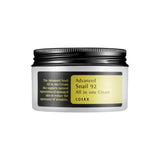
What made the success of the Lait-Crème Concentré is precisely this versatility: a single treatment to hydrate, soothe, and prepare the skin before makeup. On the Korean side, the COSRX Advanced Snail 92 All In One Cream plays on the same multi-use care register, with a rich texture that repairs the skin barrier thanks to snail mucin, while leaving a supple base under makeup. It is just as suitable as a night treatment as it is a morning hydrating base. If you are looking for this same all-in-one spirit, you can check out the COSRX Advanced Snail 92 cream.
Comparing Embryolisse and Korean skincare only makes sense if you first understand their different logics. Embryolisse is a multi-function cream designed to simplify as much as possible: one product, multiple uses. Korean skincare works on a logic of targeted layering: several light products, each bringing a specific active ingredient, for more precise action on each skin issue.
This is not a value judgment. Both approaches meet different needs:
- If you want a single, quick, well-tolerated treatment for dry to normal skin, the Embryolisse Lait-Crème remains a safe bet.
- If your skin has more specific needs (acne, hyperpigmentation, aging, excess sebum), a Korean routine with targeted actives like niacinamide, snail mucin, or centella asiatica will address each issue individually, without the risk of comedogenicity from a heavy emollient cream.
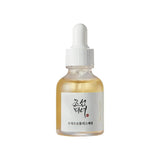
Korean brands like COSRX, Beauty of Joseon, or Isntree offer non-comedogenic formulas with clinically documented concentrations of active ingredients, making them better suited for combination to oily skin than the original Embryolisse.
What we take away from Embryolisse reviews in 2026 📋
Three points to keep in mind before buying or continuing to use this cream. First, Embryolisse is an honest product, well-formulated for dry and sensitive skin, with a real dermatological heritage. Second, it is not universal: oily and acne-prone skin types would do well to look for non-comedogenic alternatives. Third, if you do not yet know your skin type with certainty, a diagnosis is the logical starting point before investing in any moisturizing cream.
You can take our free skin diagnosis to identify in a few minutes the active ingredients and textures truly suited to your skin. And if you are exploring Korean skincare, discover our selection of Korean hydrating creams formulated for different skin types, without the comedogenic risks associated with heavy emollients.


1 comment
Le soin blush de peau Embryolisse me donne des rougeurs et des démangeaisons sans doute a cause des allergènes qu’il contient