



To tan quickly, two levers really work: stimulating melanin production beforehand via diet and skincare, and optimizing sun exposure while respecting your skin. Grandma's recipes based on carrot juice, black tea, or olive oil are based on this logic. Results are visible in 5 to 10 days with regular exposure, provided you do not neglect sun protection.
If you want to tan quickly and maintain a lasting golden glow, you need to understand how melanin works, then choose the right methods for your skin type. That is exactly what we are going to look at here, with concrete recipes and errors to avoid.
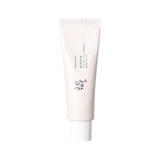
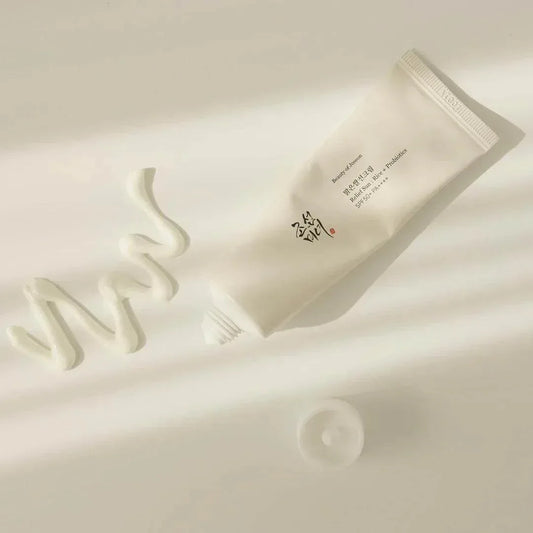
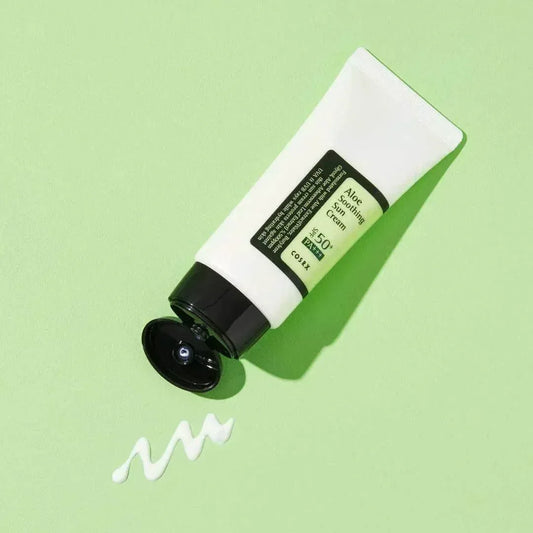
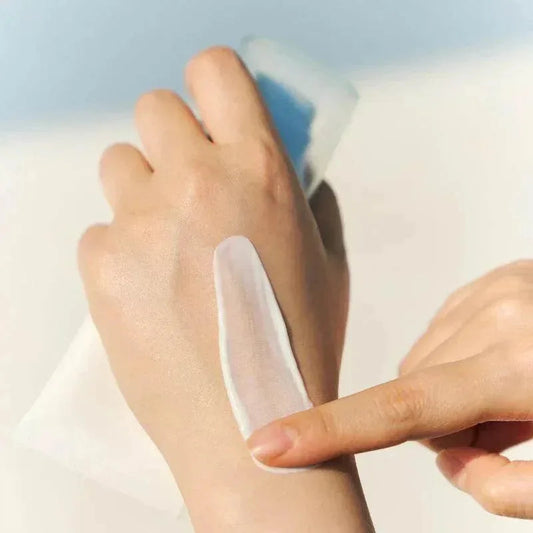
Are you looking directly for a Korean sunscreen suited to your tanning? Korean formulas combine effective protection with active skincare, without completely blocking the tan. Good protection is the condition for tanning without damaging the skin. (see the Korean sunscreen selection)
Tanning does not stop with sun exposure: the skin also needs a soothing step right after, to calm tightness and prolong the result. The Soon Jung 2x Barrier Intensive Cream from ETUDE is designed for this exact moment.
Why you tan (or don't): melanin explained simply ☀️
Tanning is a defense reaction of the skin. When UV rays reach the epidermis, they stimulate melanocytes, specialized cells that produce melanin, the pigment responsible for the tanned complexion. The more you stimulate these cells beforehand, the faster and more intense the response.
This mechanism explains why some people tan in 2 days and others struggle to get a result in 2 weeks. The determining factors are skin phototype (light skin has fewer active melanocytes), skin quality (dry or poorly exfoliated skin absorbs UV rays less well), and the availability of nutritional precursors, especially beta-carotene.
This is where grandma's recipes come in: they don't make you tan by magic, but they provide the skin with the nutrients that facilitate melanin production. The effect is real, measurable, and compatible with good sun protection.
The carrot juice grandma recipe: how it really works 🥕

Carrot juice is the most documented tanning tip. It is rich in beta-carotene, a precursor to vitamin A that deposits in the surface layers of the skin and gives it a slightly golden hue, while stimulating melanogenesis under the effect of the sun.
Basic recipe:
- Blend 3 to 4 medium carrots with a splash of water, or use a juicer.
- Add a small amount of lemon juice (promotes the absorption of vitamin C, a cofactor for melanin).
- Drink 1 glass (about 200 ml) every morning, ideally on an empty stomach.
- Maintain the treatment for 3 to 4 weeks for a visible result on your complexion.
The effect on the complexion begins to be visible after 2 to 3 weeks of regular consumption. Consumed in excess, beta-carotene can cause a slight orange tint to the palms and soles of the feet, called carotenodermia, which is harmless but unattractive. One glass a day is more than enough.
The specialist's advice: many think that drinking carrot juice the day before a day at the beach is enough. This is a classic trap. Beta-carotene accumulates gradually in the epidermis; it takes several days to reach an effective concentration. Starting the treatment 3 weeks before prolonged exposure is the right timing.
Black tea recipe: the unknown trick to accelerate tanning ☕
Black tea contains tannins which, when applied to the skin, slightly color the corneal layers of the epidermis and give an instant bronzed veil. It is not a self-tanner in the chemical sense of the term, but the visual effect is real and can last 2 to 3 days.
Complete recipe:
- Boil 250 ml of water and steep 4 black tea bags for 10 minutes to obtain a highly concentrated liquid.
- Let it cool completely.
- Apply to clean, dry skin with a cotton pad or spray, focusing on even areas (avoid the eye contour).
- Let it dry naturally, without rinsing.
- Repeat every evening for 5 to 7 days.
This method works particularly well in preparation for sun exposure: it provides an initial colored veil that makes the start of the tan more uniform. It is not a substitute for sun protection and does not replace melanin in protecting against UV rays.
Olive oil and tanning: real booster or bad idea? 🫒
Olive oil is often cited in natural tanning recipes, and for a partial reason: it nourishes and moisturizes the skin, which allows keratinocytes to absorb UV rays more uniformly and produce more even coloration. Well-hydrated skin does indeed tan better than dry skin.
On the other hand, coating yourself in olive oil to expose yourself to the sun without sun protection is a serious mistake. Olive oil has a protection factor of only around SPF 8, which is largely insufficient to prevent cell damage caused by UVB rays. It concentrates rays on the skin instead of filtering them, which accelerates sunburn on light skin.
The correct use: apply olive oil in the evening, after exposure, to nourish the skin and prolong the tan. Morning and evening as a moisturizer in the week leading up to exposure, to prepare the skin barrier. Never alone in the sun on unprotected skin.
Preparing skin to tan quickly: skincare steps that change everything 🧴

The quality of skin preparation is the most underestimated factor in tanning quickly and evenly. Skin clogged with dead cells absorbs UV rays unevenly, which produces a patchy tan that is less intense and less durable.
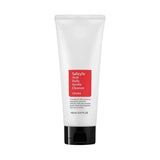
3 days before exposure: perform a gentle scrub to remove surface dead cells. An enzymatic peeling gel, such as those based on citric acid or papaya enzymes, is ideal because it does not irritate the skin before sun exposure. Avoid aggressive mechanical scrubs 24 hours before exposure, which temporarily weaken the skin barrier.
Each morning during the treatment: moisturize carefully with a light cream, preferably without thick film-forming oils that risk clogging pores. Good hydration keeps the epidermis supple and allows for better distribution of melanin.
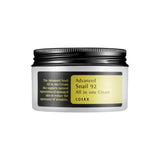
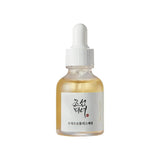
After each exposure: after-sun care is as important as protection. The skin needs repairing active ingredients to set the tan and prevent it from flaking. Ingredients like snail mucin (COSRX Snail 92) or aloe vera effectively repair skin micro-damage and prolong the tanned complexion up to 30% longer, according to data observed on this type of routine.
Sun protection and tanning: the big misunderstanding to correct 🛡️
The most widespread belief about tanning is that sun protection prevents it. This is false, and this idea drives many people to expose themselves without protection, which is the main cause of sunburn, premature aging, and long-term cell damage.
An SPF 50 sunscreen filters about 98% of UVB rays (the rays that burn) but lets enough UVA rays (the rays that tan deep down) through. The tan takes slightly longer with good protection, but it is more uniform, more durable, and the skin does not suffer the damage that accelerates skin aging.
The logic is simple: sunburn partially destroys melanocytes in the affected areas. Fewer active melanocytes = less melanin produced at the next exposure. Getting burned mechanically slows down tanning in the long term.
Korean sunscreen formulas are particularly adapted to this approach: they combine high protection and skincare active ingredients (niacinamide, centella asiatica, hyaluronic acid) without leaving the thick white film of classic mineral protections. The Holy Skin Korean sunscreen selection integrates formulas designed for daily use, including during sun exposure.
How to tan quickly with white skin: adaptation for light phototypes 🤍
Light skin (phototypes I and II) tans more slowly because its melanocytes produce less melanin per unit of time. The good news: natural methods of stimulating melanogenesis work precisely on this profile, provided you are more patient regarding timeframes.
What works specifically for light skin:
- Start the carrot juice treatment 4 to 5 weeks before prolonged exposure (vs 2 to 3 weeks for darker skin).
- Favor short and repeated exposures (20 to 30 minutes) rather than long sessions, which cause sunburn before tanning.
- Use at least SPF 30, or even SPF 50 at the beginning of the season, and gradually go down according to the skin's reaction.
- Incorporate foods rich in lycopene (tomatoes, watermelon) as a supplement to beta-carotene: lycopene protects skin cells from UV damage from the inside.
- Avoid scrubbing the skin too frequently during the tanning phase, as this eliminates the surface layers that contain the deposited melanin.
On well-prepared light skin, a visible and uniform tan is achievable in 10 to 15 days of regular exposure of 20 to 30 minutes per day.
Homemade tanning accelerator: the complete oil recipe 🫙
To go further than carrot juice or black tea, it is possible to prepare a homemade tanning oil combining several natural active ingredients.
Homemade tanning oil recipe:
- Base: 50 ml of jojoba oil (non-comedogenic, heat-stable).
- Add 20 ml of carrot oil macerate (rich in concentrated beta-carotene, available in pharmacies or on DIY cosmetic sites).
- Add 10 ml of buriti oil (natural orange tint, high concentration of carotenoids).
- Mix well and store in an opaque glass bottle, away from heat.
- Apply to dry skin, in the evening after showering. Never use alone in the sun, always associate with sun protection.
This oil nourishes the skin, helps it prepare for exposure, and prolongs the golden complexion between sessions. It is not a substitute for sunscreen and does not protect against UV rays. The combination of tanning oil at night + sunscreen in the morning is the most effective formula for tanning quickly without causing damage.
Setting and prolonging the tan: the after-sun care that makes the difference 🌿
Tanning quickly is one thing. Keeping the result is another. The tan fades in 2 to 4 weeks because the cells of the corneal layer, which contain the melanin, renew themselves naturally. Post-tanning care helps to slow down this process.
The most effective active ingredients to prolong the tan are film-forming moisturizers (aloe vera, shea butter, argan oil) which limit the desquamation of pigmented cells, and cellular repair agents (snail mucin, centella asiatica) which maintain the integrity of the corneal layer. Avoid scrubs for the 2 weeks following intense exposure: each scrub physically removes the cells that carry the tan.
Drinking 1.5 to 2 liters of water per day remains one of the simplest factors to prolong the golden complexion, because skin hydrated from the inside flakes less quickly and retains melanin for longer.
To summarize what really works: prepare the skin 3 to 4 weeks before with carrot juice and regular moisturizing care, expose yourself gradually with appropriate sun protection, and treat the skin after each session to set the result. Grandma's recipes are effective because they tackle melanin beforehand, not because they make you tan by direct contact.
If you want to go further with your daily skincare, a free skin diagnostic allows you to find the active ingredients best suited to your type, summer and winter. And to choose a Korean sunscreen that protects without preventing tanning, you will find our complete selection on holyskin.fr/collections/creme-solaire-coreenne.






1 comment
Le thé noir ne laisse pas de trace ?