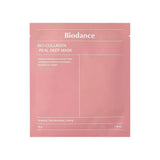
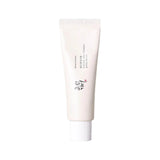
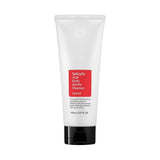
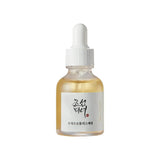
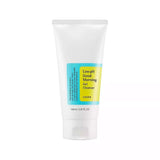


Pregnancy and skincare don't always mix well: some ingredients that are highly effective on paper become forbidden as soon as the test is positive.
Retinoids, hydroquinone, benzoyl peroxide, and certain essential oils should be avoided during pregnancy and breastfeeding, as a precautionary principle. Conversely, hyaluronic acid, vitamin C, niacinamide, and azelaic acid remain safe and allow for an effective routine against acne, dark spots, or dullness.
If you've just found out you're pregnant and were already using retinol or salicylic acid in a peel, don't panic. The exposure is minimal and occasional; the precautionary principle mainly applies to future use, not to erase what has already been done.
This guide reviews, ingredient by ingredient, what to formally avoid, what you can safely keep, and how to adapt your routine to the hormonal changes specific to pregnancy: increased sebum, more sensitive skin, hyperpigmentation.
Why does your skin change so much during pregnancy? 🤰

During pregnancy, estrogen and progesterone levels rise sharply. Progesterone binds to receptors in the sebaceous glands, stimulating sebum production. The result: skin that becomes oilier and more prone to imperfections, even in women who had never had acne problems before.
Estrogen, for its part, stimulates melanogenesis, the melanin production mechanism. This explains the appearance of melasma, those brown spots concentrated on the forehead, cheeks, and upper lip, especially with unprotected sun exposure. Cortisol levels also increase, which can inhibit collagen synthesis and promote the appearance of stretch marks on the abdomen, hips, and chest.
These changes explain why a routine that worked perfectly before pregnancy can become insufficient or even irritating. Adapting your active ingredients is therefore not an excess of caution; it's a logical response to skin that functions differently for nine months.
Which ingredients should be formally avoided during pregnancy? 🚫
Retinoids (retinol in cosmetics, tretinoin or adapalene by dermatological prescription) should be avoided without exception. These vitamin A derivatives are teratogenic, meaning they increase the risk of birth defects in the embryo, even when applied to the skin in low concentrations. This applies throughout pregnancy and the breastfeeding period.
Hydroquinone, used to treat hyperpigmentation, penetrates deep into the skin and enters the bloodstream. Its use is now banned over-the-counter in Europe and reserved for medical use: it should be avoided as a precautionary principle during pregnancy and breastfeeding.
Benzoyl peroxide, found in conventional anti-acne treatments, is not normally prescribed to pregnant women. If you were undergoing dermatological treatment before knowing you were pregnant, the right thing to do is to inform your dermatologist rather than stopping abruptly on your own.
Essential oils are a special case. Some, like peppermint, eucalyptus globulus, camphor rosemary, or sage, are neurotoxic at concentrated doses and should be banned throughout pregnancy and breastfeeding. Others, like ginger, pose no problem and can even relieve nausea. The concentration in a finished cosmetic product generally remains very low, but the precautionary principle applies especially to the first trimester.
Expert advice: Many pregnant women stop all their active ingredients out of fear, including those that are safe. This is a mistake that leaves the skin unprotected against hormonal acne or dark spots. It is better to remove only risky ingredients and maintain a simple routine with safe alternatives.
Salicylic acid in high concentrations, especially in professional peels or oral treatments, should be avoided. At low doses in a rinsed cleanser, the risk remains limited, especially if you were already using it before pregnancy. Chemical sunscreens should also be monitored: mineral filters based on zinc oxide or titanium dioxide are preferred, as they act on the surface without penetrating the skin. Beauty of Joseon has built its reputation on this type of mineral formula, very present in Korean skincare.
Which ingredients should be safely favored? ✅
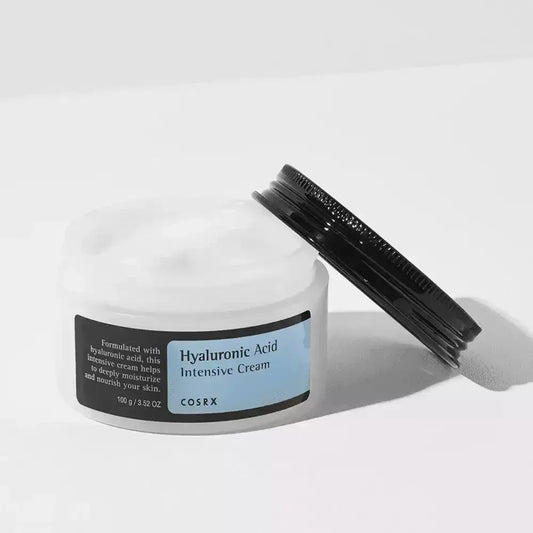
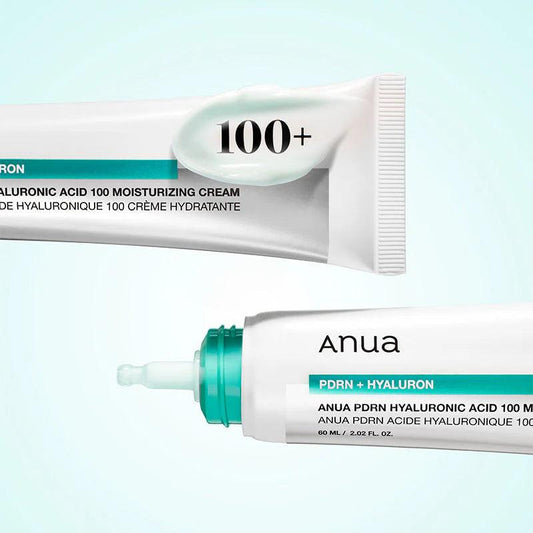
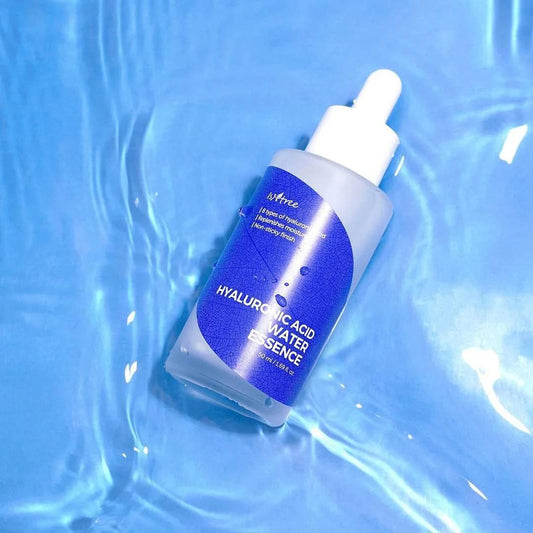
Hyaluronic acid remains the number one ally during pregnancy. This molecule retains up to a thousand times its weight in water, maintains hydration, and presents no known risk to the baby. It is also one of the most widely used ingredients in Korean skincare, especially in serums and essences.
Vitamin C acts as an antioxidant, stimulates collagen production, and reduces dark spots related to melasma. It can be used morning and evening without any particular restriction.
Azelaic acid is a safe alternative to benzoyl peroxide and retinoids for treating hormonal pregnancy acne. It reduces inflammation, limits new blemishes, and reduces marks left by pimples, with antibacterial and gentle exfoliating properties. Niacinamide, often cited as an alternative to retinol, regulates sebum and strengthens the skin barrier without identified risk.
In terms of Korean skincare, centella asiatica (often listed as Centella Asiatica Extract) and panthenol are safe bets for calming skin that has become more reactive due to hormones. The heartleaf range from Anua is a well-known example, formulated precisely for sensitized skin. Glycolic acid and other AHAs at low concentrations, generally below 10%, remain tolerated if you were accustomed to them before pregnancy.
Bakuchiol, presented as a plant-based alternative to retinol, is gaining ground in Korean skincare. However, specific safety data for pregnancy remains limited: as a precaution, it is recommended to avoid this type of formula until a solid clinical study has settled the question, and to favor ingredients whose safety is already well-documented.
Acne, stretch marks, melasma: how to adapt your routine? 🧴

For oilier skin, a cleanser morning and evening remains the basis, in gel form for oily skin or milk for skin that dries out. Soap should be avoided for all skin types: it strips the skin and accentuates tightness on skin already sensitized by hormones.
For occasional breakouts, hydrocolloid patches remain an option without any chemical active ingredients, therefore without risk during pregnancy. They absorb pus, protect the area, and reduce the urge to touch the pimple. This is a simple K-beauty solution to integrate to manage hormonal acne without introducing new ingredients into your routine. View Korean pimple patches
To limit stretch marks, hydration and nourishment of the skin on the belly, hips, and chest make a difference. A rich texture with shea butter, aloe vera, or baobab oil helps maintain tissue elasticity as the skin stretches. Massaging morning and evening also improves product penetration and local circulation.
Against melasma, sun protection remains the most effective gesture, even more so than any anti-spot ingredient. A minimum SPF30, applied every morning and reapplied every two hours in case of prolonged exposure, significantly limits the worsening of hyperpigmentation. View Korean sunscreens with mineral filters.
Organic and natural, is it really safe? 🌿
Pregnancy encourages many women to turn to organic and natural products, assuming this limits exposure to endocrine disruptors like phthalates or triclosan. This is partly true: organic labels generally exclude these controversial substances. But natural does not automatically mean safe during pregnancy.
The essential oils mentioned above are natural active ingredients yet clearly to be avoided at certain doses. The mechanism is the same as for a synthetic active ingredient: an essential oil passes into the blood, which serves as a vehicle to nourish the baby, and certain natural molecules remain too stimulating for the developing nervous system.
The right reflex is still to read the composition rather than relying solely on an organic logo on the packaging. European regulations on cosmetics are among the strictest in the world, which already significantly limits risks, but individual vigilance remains necessary for the active ingredients listed in this guide. Source: ANSM (link to be added manually)
Summary Table: to avoid vs. to favor 📋
| To Avoid During Pregnancy | To Favor Safely |
|---|---|
| Retinoids (retinol, tretinoin, adapalene) | Hyaluronic acid |
| Hydroquinone | Vitamin C |
| Benzoyl peroxide | Azelaic acid |
| Stimulating essential oils (peppermint, eucalyptus, camphor rosemary) | Niacinamide |
| Salicylic acid in high concentration or peel | Centella asiatica, panthenol |
| Chemical sunscreens | Mineral sunscreens (zinc oxide, titanium dioxide) |
Three things to remember: retinoids, hydroquinone, and certain essential oils should be avoided without exception during pregnancy and breastfeeding. Hyaluronic acid, vitamin C, niacinamide, and azelaic acid remain safe and allow for an effective routine against acne or dark spots. And the organic label never exempts you from reading the composition.
At Holy Skin, we recommend that you always check the product sheet before adding an active ingredient to your routine during pregnancy. If your skin type has changed since you became pregnant, take the free skin diagnostic to adjust your routine in a few minutes.