


Azelaic acid reduces redness, fades blemishes, and evens out skin tone, at concentrations ranging from 10% to 20% depending on the formula. It is one of the few active ingredients tolerated by sensitive skin, including in cases of rosacea or mild to moderate acne. If you are looking for a versatile ingredient with no risk of tolerance buildup or photosensitization, this is it.
We hear a lot about retinol or vitamin C, but azelaic acid remains underrated even though it ticks boxes that these two actives do not always cover. In this article, you will find out what it actually does to the skin, who it is suitable for, how to incorporate it into a routine without making mistakes, and which actives to combine it with (or not).
Looking for a Korean serum with azelaic acid? Discover the selection of Korean serums and ampoules available at Holy Skin with 72h delivery and no customs fees. (see Korean serums)
What is azelaic acid and how does it act on the skin? 🧪

Azelaic acid is a dicarboxylic acid naturally found in grains such as wheat, barley, and rye. In cosmetics, it is synthesized in the laboratory to ensure purity and a constant concentration. It acts on the skin through three distinct mechanisms:
- Anti-inflammatory: it inhibits excess cathelicidin, a molecule involved in redness flare-ups. A study published in the Journal of the American Academy of Dermatology (Coda et al., 2013) showed a significant reduction in serine protease activity in patients treated with a 15% azelaic acid gel for 12 weeks.
- Antibacterial: it disrupts thioredoxin reductase, an enzyme essential for the survival of Cutibacterium acnes, the bacteria responsible for acne.
- Tyrosinase inhibitor: by blocking this key enzyme in melanin synthesis, it fades dark spots and post-inflammatory hyperpigmentation.
The concentrations used vary between 10% (cosmetic) and 20% (medical). At 10%, the effects on redness and blemishes are already measurable. At 15-20%, the effects on rosacea and hyperpigmentation are clearer, but require gradual introduction.
For whom is azelaic acid really suitable? 👤
Azelaic acid is suitable for a wide range of skin profiles. Its tolerance is one of its major assets: unlike salicylic acid or retinol, it rarely irritates, making it accessible to reactive skin.
| Skin profile | Suitable? | Main benefit |
|---|---|---|
| Skin prone to mild to moderate acne | Yes | Reduces breakouts, regulates sebum, prevents new eruptions |
| Skin with redness or rosacea | Yes | Calms inflammatory flare-ups, diminishes diffuse redness |
| Skin with dark spots | Yes | Fades brown spots, melasma, post-acne hyperpigmentation |
| Sensitive or reactive skin | Yes, with gradual introduction | Gentle anti-inflammatory, barrier strengthening |
| Oily skin with enlarged pores | Yes | Unclogs pores, regulates sebum |
| Very dry skin without blemishes | To be evaluated | Little targeted benefit, prefer other moisturizing actives |
Azelaic acid is not photosensitizing, which differentiates it from retinol and certain AHA acids. You can use it in the morning without the risk of worsening dark spots under the sun, provided you apply sun protection in any case.
Azelaic acid vs salicylic acid vs vitamin C: the real differences 🔍
Three actives often address the same concerns (acne, spots, radiance). Their mechanisms and tolerance differ significantly.
| Criterion | Azelaic acid | Salicylic acid (BHA) | Vitamin C |
|---|---|---|---|
| Main action | Anti-inflammatory + anti-spot + antibacterial | Exfoliating, unclogging | Antioxidant, radiance, anti-spot |
| Sensitive skin tolerance | Excellent | Average | Variable (depends on concentration and pH) |
| Photosensitization | No | Slight | No, but unstable in light |
| Morning use | Yes | Not recommended without high SPF | Yes |
| Rosacea efficacy | Yes (clinically studied) | Not recommended | No |
| Visible results timeframe | 4 to 12 weeks depending on concern | 2 to 4 weeks | 4 to 8 weeks |
If your skin has both redness and blemishes, azelaic acid is often better suited than salicylic acid alone, which can worsen dryness on reactive skin. If you are looking to work on skin radiance without worrying about inflammation, vitamin C is more directly effective, but it remains more irritating at high concentrations.
Expert advice: Many people combine salicylic acid and azelaic acid, thinking "more acids = more effect." This is a trap: this combination can saturate the skin and cause unnecessary irritation. If you want to work on acne and redness simultaneously, start with azelaic acid alone for 4 weeks, then add BHA if necessary, alternating rather than layering.
The article on Anua, our review of the brand, discusses the place of azelaic acid in their formulation and its integration into an anti-redness routine.
How to properly use azelaic acid in your routine? 📋
Azelaic acid is applied after cleansing and toner, before moisturizer. Its working pH is between 4 and 5, which naturally places it after aqueous toners and before more occlusive creams.
- Cleansing: gentle cleanser suitable for your skin type.
- Toner: initial hydration, balanced facial pH.
- Azelaic acid (serum or light cream): 2 to 5 drops, patting without rubbing. For initial uses, 1 to 2 times a week is sufficient. Gradually increase to daily use depending on tolerance.
- Moisturizer: cream to seal in the treatment and strengthen the barrier.
- SPF in the morning: essential, not because azelaic acid is photosensitizing, but because working on spots without sun protection cancels out some of the effects.
At night, the routine is the same without SPF. Azelaic acid can be used morning and night once the skin is accustomed to it.
Compatibilities and combinations to know 🔗
Azelaic acid is one of the most accommodating actives in a routine. It combines without problems with the majority of common ingredients.
| Associated active | Compatibility | Note |
|---|---|---|
| Niacinamide | Excellent | Synergy for anti-spot and sebum regulation. The Anua Azelaic Acid 10 serum combines both in one formula. |
| Hyaluronic acid | Excellent | Compensates for the slightly drying effect at high concentration |
| Centella asiatica | Excellent | Dual soothing action on reactive skin |
| Retinol | Possible, with precautions | Alternate rather than layer, especially at the start of a routine |
| Glycolic acid (AHA) | To be monitored | Possible for experienced skin, but no need to combine if skin is sensitive |
| Vitamin C | Good when alternated | Use vitamin C in the morning, azelaic acid at night if the skin allows |
| Salicylic acid (BHA) | With caution | Do not layer, alternate on different days |
The niacinamide + azelaic acid combination is particularly effective for post-acne hyperpigmentation. Niacinamide blocks the transfer of melanosomes to keratinocytes, while azelaic acid inhibits tyrosinase upstream: the two mechanisms are complementary.
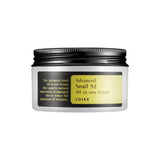
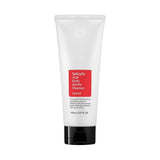
To learn more about anti-redness routines, the article on COSRX skincare details other Korean ingredients compatible with azelaic acid in a soothing routine.
Realistic timeframes and common mistakes 📅
Azelaic acid is not an active with immediate results. Here is what is clinically observed according to the concern:
- Redness and rosacea: noticeable improvement between 4 and 8 weeks of regular use. Clinical studies on 15% gel show a reduction in inflammatory lesions starting at 4 weeks.
- Blemishes and mild acne: 6 to 12 weeks for a significant reduction, depending on frequency and concentration.
- Dark spots: 12 weeks minimum. Post-inflammatory hyperpigmentation responds well, but melasma requires more time and must be combined with strict sun protection.
The most common mistakes:
- Stopping after 3 weeks without visible results and concluding that the active "does not work."
- Applying without a moisturizer afterwards, which can cause slight flaking at high concentrations.
- Combining too many actives from the start, making it impossible to identify the cause of any potential irritation.
- Neglecting SPF, especially on spots: UV rays directly stimulate tyrosinase and counteract the effect of azelaic acid.
Azelaic acid in K-Beauty: why Korean formulas stand out 🇰🇷

K-Beauty has popularized azelaic acid formulations that combine the active with soothing agents (centella asiatica, madecassoside, beta-glucan) rather than aggressive exfoliants. The goal: maximize the anti-inflammatory effect while preserving the skin barrier.
The Anua Azelaic Acid 10 Hyaluron Redness Soothing serum combines 10% azelaic acid, niacinamide, hyaluronic acid, and centella asiatica extracts in a light, non-greasy gel texture. Its formula is designed for reactive skin that wants the benefits of the active without the risk of irritation. Currently out of stock, you can find our full selection of Korean serums with similar formulas in the Holy Skin Korean serum collection.
The difference from classic pharmaceutical formulas (like ACM or SVR) often lies in the vehicle: Korean formulas prioritize dry textures with rapid absorption, suitable for daily use even on oily or combination skin.
Expert advice: In online comparisons, we often see "ACM azelaic acid vs Anua azelaic acid" treated as equivalent products. This is not entirely accurate. The 20% ACM cream is a thick medical formula, designed for targeted application on specific areas, not for covering the entire face. Korean 10% formulas are serums for the entire face, with much better daily tolerance. They are not for the same uses.
Key takeaways for your routine 💡
Azelaic acid is a rare active: effective on several fronts at once (redness, blemishes, spots), well-tolerated by sensitive skin, and usable morning and night without photosensitization. It requires regularity rather than high concentration to produce results.
Three points to remember before integrating it:
- Start with 2 uses per week, then increase gradually. No need to force the frequency from the start.
- Sun protection is essential if you are working on spots, regardless of the time of application of the active.
- Patience is the real limiting factor: the effects on hyperpigmentation and rosacea are seen at 8 to 12 weeks, not 3.
If you want to explore Korean serums formulated with azelaic acid or complementary actives, the Holy Skin Korean serum and ampoule collection gathers available formulas with express delivery in France.

