


Dry skin lacks lipids in its superficial layer, preventing it from retaining water properly. The result: tightness, discomfort, and even itching. The good news is that a routine focused on repairing the skin barrier is enough in the vast majority of cases to restore supple and comfortable skin in a few weeks.
In this guide, we'll clarify what truly differentiates dry skin from dehydrated skin, the concrete causes to understand, and the Korean skincare products that work, with precise active ingredients, not generalities.
Looking directly for a complete routine for dry skin? We've selected the most suitable Korean skincare products, from cleanser to cream, for skin that no longer feels tight. see the dry skin routine
Dry skin vs. dehydrated skin: the difference that changes everything 💧
Dry skin is a permanent skin type, determined genetically or hormonally. It lacks lipids (ceramides, fatty acids, cholesterol) and produces little sebum. Dehydrated skin, on the other hand, is a temporary condition that can affect all skin types, including oily skin: it lacks water, not oil.
Confusing the two risks applying the wrong product. Dehydrated oily skin doesn't need a rich cream: it needs hyaluronic acid and a hydrating toner. Dry skin, however, needs lipids to restore its skin barrier.
Some signals that distinguish the two:
- Dry skin: constant tightness, dull and rough to the touch, frequent reaction to perfumes or alcohol in skincare products
- Dehydrated skin: tightness that varies with the season or diet, dull complexion but normal texture, reduced skin bounce (skin pinch test)
- Both can coexist: dry skin can also be dehydrated in winter
What are the real causes of dry skin? 🔍

Dry skin results from a combination of internal and external factors. Identifying them helps to adapt your routine and avoid unknowingly worsening the problem.
Internal causes (related to your skin's function):
- Genetics: some people naturally produce less sebum
- Age: sebum production decreases after 25, and even more so during menopause
- Nutritional deficiencies: lack of omega-3, vitamin E, or zinc can weaken the lipid barrier
- Medical conditions: atopic dermatitis, xerosis cutis, psoriasis, hypothyroidism
External causes (related to environment and habits):
- Prolonged hot water during showers or face washing
- Overly harsh cleansers (aggressive sulfates, soap with too basic a pH)
- Indoor heating and air conditioning, which dry out the ambient air
- Exposure to cold, wind, sun without protection
- Certain medications: prescribed retinoids, diuretics, antihistamines
Specialist's advice: many dry skins worsen because of their cleanser, not despite it. An aggressive foaming cleanser can destroy more lipids in 60 seconds than the skincare routine can rebuild in 24 hours. Switch to a gentle cleanser with pH 5-6; it's often the most impactful change.
How to recognize dry skin: signs not to ignore 🪞
Dry skin sends clear signals, but some are underestimated or wrongly attributed to other causes. Recognizing its manifestations helps to act at the right time and with the right care.
The most common signs:
- Tightness after cleansing, sometimes upon waking
- Rough texture to the touch, barely visible pores
- Dull complexion, sometimes slightly greyish
- Mild flaking, localized dry patches (around the nose, eyebrows, forehead)
- Itching, redness, skin that scratches, especially in winter
- Foundation that catches or flakes a few hours after application
Signs that indicate very dry skin or advanced fragility:
- Visible cracks on hands, heels, lips
- Frequent reactions to new products (burning, persistent redness)
- Skin that "drinks" creams without ever seeming satisfied
If symptoms are accompanied by thick patches, weeping, or marked inflammation, consult a dermatologist: this may indicate atopic dermatitis or severe xerosis that requires medical treatment.
The skin barrier, at the heart of the dry skin problem 🧱
Understanding the skin barrier is key to understanding why dry skin is dry, and how to repair it effectively. The skin barrier, or stratum corneum, is the outermost layer of the skin. It acts like a shield: it retains water inside and blocks irritants from outside.
In dry skin, this barrier is structurally deficient in lipids, particularly ceramides (about 50% of barrier lipids), free fatty acids, and cholesterol. The result: water evaporates faster (high transepidermal water loss or TEWL), and the skin is more vulnerable to irritants.
Active ingredients that truly repair the skin barrier:
- Ceramides: fill the gaps between skin cells, reconstitute the lipid cement
- Hyaluronic acid: retains water in the superficial layers (400 times its weight)
- Shea butter, squalane, jojoba oil: occlusives that reduce evaporation
- Beta-glucan: strengthens cell cohesion and soothes simultaneously
- Panthenol (vitamin B5): repairs and hydrates the superficial layers
K-Beauty integrated these active ingredients long before Western brands into layered formulations: first, lightweight textures that penetrate (toner, essence, serum), then occlusive textures that seal (cream, oil). This "lightest to heaviest" routine logic makes Korean routines particularly effective for dry skin.
For more on Korean skincare for compromised barrier skin, the complete guide to COSRX details their formulas focused on skin repair.
Mistakes that unknowingly worsen dry skin ⚠️

Most dry skin that "doesn't respond to skincare" makes one of these mistakes. These are not minor details: some can negate the effect of any moisturizer.
Mistake 1: applying cream to dry skin. Cream seals what is already present in the skin. If you apply it to dry skin, without a layer of moisture underneath, it seals... nothing. Always apply a hydrating toner or essence before cream.
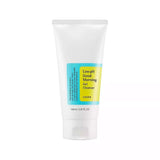
Mistake 2: using an aggressive foaming cleanser. Sulfates (SLS, SLES) destroy surface lipids. For dry skin, a gentle gel cleanser with pH 5-6 or micellar water is plenty in the morning.
Mistake 3: exfoliating too often. Exfoliation removes the stratum corneum, which is already fragile on dry skin. Maximum once a week, with a gentle AHA like lactic acid (not glycolic). And never without sunscreen the next day.
Mistake 4: believing that oil alone is enough. A plant oil is occlusive: it reduces evaporation but doesn't hydrate. It is useful as a last step, not as the only product. Without moisture underneath, it seals skin that is still dry.
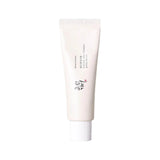
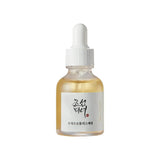
Mistake 5: neglecting sun protection. UV degrades ceramides and accelerates the disorganization of the lipid barrier. Unprotected dry skin will see its dryness worsen in the long term. The Korean sunscreen from Beauty of Joseon is particularly well-tolerated on sensitive dry skin: light texture, no alcohol, no fragrance.
What K-Beauty routine for dry skin? 🌿
An effective dry skin routine relies on 4 to 5 steps, in a precise order. The goal: provide hydration in layers, then seal it with a richer product. K-Beauty excels here because its formulations are designed to layer without pilling or suffocating the skin.
Morning:
- Gentle cleanser: gel or light foam, pH 5-6. In the morning, water alone is often enough if skin is very sensitive.
- Hydrating toner: a moist base before everything else. Look for hyaluronic acid, glycerol, Centella asiatica extract.
- Serum or essence: ceramides, beta-glucan, or hyaluronic depending on the day's priority.
- Rich moisturizer: look for ceramides and squalane. Avoid fragrances and denatured alcohol.
- Sunscreen SPF 30 minimum: not optional, even in winter, even indoors.
Evening:
- Double cleanse if you wear SPF or makeup: cleansing oil first, then gentle cleanser. Dry skin particularly benefits from cleansing oil, which doesn't strip it.
- Hydrating toner: same as morning.
- Repairing serum: evening is the ideal time for a ceramide- or panthenol-based serum, which work during the nocturnal cellular regeneration cycle.
- Rich night cream: thicker texture than daytime. A balm or a "cocoon" textured cream is perfect.
Specialist's advice: many dry skins try different creams every month without ever seeing results. The problem is rarely the cream: it's the lack of toner beforehand. Without a basic layer of moisture, even the best cream can't do much. Start by adding a hydrating toner before your current cream and observe for 3 weeks before changing products.
Dry skin that scratches, that itches: when to worry? 🩺
Itching on dry skin is common and often benign: it signals that the skin barrier is insufficient and surface nerve endings are exposed. A repairing product based on ceramides and colloidal oatmeal usually calms itching in a few days.
But some signals warrant a dermatological consultation:
- Intense itching that disturbs sleep
- Red, weeping, or infected patches
- Generalized itching without a visible skin cause (possible sign of an internal cause: deficiencies, liver problems, food allergies)
- No improvement after 3 to 4 weeks of an adapted routine
Severe xerosis cutis and atopic dermatitis sometimes require prescribed emollients or short-term topical corticosteroids. In this case, cosmetic products are complementary, not a replacement for treatment.
What you take away from this guide on dry skin 📋
Dry skin is not inevitable, but it requires a specific approach: repairing the skin barrier with the right active ingredients (ceramides, hyaluronic acid, squalane), in the right order (from lightest to heaviest), with the right fundamentals (gentle cleanser, systematic SPF). K-Beauty offers formulations particularly suited to this skin type, designed to layer without saturating the skin.
If you don't know where to start, our dry skin routine gathers Korean skincare products selected for their fragrance-free, alcohol-free, and repair-focused formulas: discover the dry skin routine.
And if you want to first precisely identify your skin type before choosing your products, the free skin diagnostic gives you a personalized selection in 2 minutes.

