
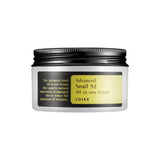
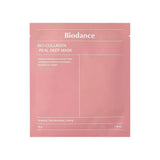
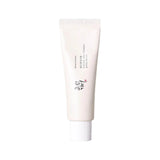
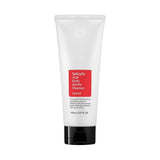
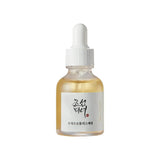
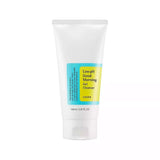


You can achieve beautiful skin quickly if you work in the right order: cleanse, moisturize, protect. Koreans have transformed this logic into a precise method, with targeted active ingredients and a routine in just a few steps. Visible results in 2 to 4 weeks for texture and hydration, in 4 to 8 weeks for chronic imperfections.
In this guide, we explain why most Western routines go in the wrong direction, what ingredients really work, and how to build a routine that lasts without spending an hour every morning.
Are you directly looking for a Korean routine adapted to your skin? Our sets are built by skin type, with products in the correct order of application. (view Korean routines)
Why isn't your skin improving despite your efforts? 🤔
Most people make two structural mistakes: they treat symptoms rather than the cause, and they disrupt the skin barrier without repairing it. A compromised skin barrier means skin that loses water 2 to 3 times faster than healthy skin, reacts to the slightest product, and cannot properly absorb the active ingredients you apply to it.
K-Beauty starts from the opposite principle: first restore the barrier, then treat specific problems. This is why Korean routines always begin with cleansing and moisturizing, before any concentrated active ingredient.
Another common mistake: wanting to achieve quick results with aggressive exfoliants or foaming cleansers that strip the hydrolipidic film. Over-cleansed skin produces more sebum to compensate, which worsens enlarged pores and acne.
The 3 steps that truly make a difference ✨

The minimalist Korean routine consists of three steps: cleanse, layer hydration, protect. It's not about the number of products but about order and formulation.
Step 1: double cleansing. A cleansing oil first (it dissolves sebum, SPF, and makeup residue without altering the hydrolipidic film), followed by a water-based cleanser (it removes residual impurities and dead skin cells on the surface). This two-step protocol is documented in studies on barrier function: it cleanses more deeply than a single cleanser while preserving the natural skin pH (between 4.5 and 5.5).
Step 2: layering hydration. A hydrating toner first (it prepares the skin to absorb subsequent products), then a serum (targeted concentrated actives), a cream to seal. The logic: apply from lightest to thickest in texture, from most concentrated to most occlusive.
Step 3: sun protection. This is the most effective anti-aging product available. A study published in the Annals of Internal Medicine measured a significant slowdown in skin aging in a group using daily SPF over 4.5 years, compared to a group without protection. In K-Beauty, sunscreen formulas are light, non-greasy, and used as the last step of the morning routine.
Which active ingredients should you choose based on your skin problem? 🧪
K-Beauty ingredients are not buzzwords: they are active ingredients whose mechanisms of action are clinically documented. Here are the most useful ones depending on the targeted problem.
| Problem | Active Ingredient | Visible timeframe | Note |
|---|---|---|---|
| Dehydration, lack of radiance | Hyaluronic acid, snail mucin | 3 to 7 days | Immediate results on texture and bounce |
| Enlarged pores, uneven complexion | Niacinamide (5 to 10%) | 4 weeks | Reduces sebum production and spots |
| Redness, irritated sensitive skin | Centella asiatica, heartleaf | 1 to 2 weeks | Soothes and strengthens the skin barrier |
| Acne, active breakouts | Salicylic acid (0.5 to 2%), hydrocolloid patches | 24 to 72h on active breakout | Do not apply to dry skin without barrier cream |
| Aging, wrinkles, firmness | Retinal, peptides, PDRN | 8 to 12 weeks | Introduce gradually, SPF mandatory |
| Hyperpigmentation, spots | Niacinamide, tranexamic acid, vitamin C | 4 to 8 weeks | Slow but lasting results with associated SPF |
Expert tip: many people layer active ingredients thinking it accelerates results. This is a classic mistake. Niacinamide + vitamin C can irritate each other at high concentrations. Retinol + exfoliating acid can damage the barrier. Start with a single active for 4 weeks, observe, then add the next.
The minimalist routine for quickly beautiful skin 🌱
Here's the basic routine you can start today, without breaking the bank and without spending twenty minutes. It covers 80% of cases.
Morning (5 minutes):
- Gentle cleanser with cool or lukewarm water (no need for oil cleanser in the morning if you didn't sleep with makeup on)
- Hydrating toner: gently pat, do not rub
- Niacinamide serum or hydrating serum depending on your main concern
- Light moisturizer
- SPF 30 sunscreen minimum (mandatory, even on cloudy days)
Evening (7 minutes):
- Cleansing oil or balm to dissolve SPF and impurities
- Foaming or gel cleanser for deep purification
- Hydrating toner
- Targeted active serum (retinal or niacinamide or centella depending on your skin)
- Nourishing cream, richer than the morning one
This routine adapts to all skin types by simply changing the textures. Oily skin: gel textures and oil-free formulas. Dry skin: cream and balm textures, more occlusive serum. Sensitive skin: centella asiatica in serum, no acids in the first few weeks.
To learn more about the secrets of Koreans' smooth skin, we have detailed the fundamental habits that make a long-term difference.
Mistakes that sabotage your skin despite a good routine ⚠️

A correct routine can be rendered ineffective by parallel habits. Here are the most common.
Changing products too often. Skin takes 28 days to renew itself (keratinocyte cycle). If you change serums every two weeks because you see no results, you're never truly evaluating a product's effectiveness. Give each new product at least 4 weeks.
Neglecting sun protection. UV rays are responsible for 80-90% of visible skin aging according to the Skin Cancer Foundation. A vitamin C serum or retinol used without SPF is counterproductive: photosensitizing actives worsen sun damage if the skin is not protected.
Over-exfoliating. Two to three exfoliation uses per week maximum for normal skin, once a week for sensitive skin. Beyond that, you strip healthy cells and weaken the skin barrier.
Touching your face. Hands constantly carry bacteria. Frequent contact with the face promotes inflammation and can worsen acne. Microbiological studies estimate that we touch our face 16 to 23 times per hour on average.
Diet and lifestyle: what truly matters 🥬
Topical treatments work from the outside, but your skin also reflects what's happening inside. Some key data.
Internal hydration plays a real role: cellular dehydration is directly reflected in skin texture and elasticity. 1.5 to 2 liters of water per day remains the standard benchmark, but needs vary with physical activity and climate.
High glycemic index (fast sugars, ultra-processed foods) is correlated with the worsening of acne in genetically predisposed individuals. A review published in the Journal of the Academy of Nutrition and Dietetics (2016) established a link between high GI diet and an increase in inflammatory markers related to acne. This is not a universal causality, but it's a factor to test if you have acne-prone skin.
Lack of sleep affects cortisol production, which in turn stimulates sebum production and slows down cell regeneration. Skin primarily regenerates at night: this is why skincare actives applied in the evening yield better results than those applied in the morning.
Regular exercise improves skin microcirculation and cell oxygenation. Sweating itself is not a problem, but skin must be cleansed within an hour to prevent salt and bacteria from clogging pores.
Where to start if you've never had a routine? 📋
The beginner's trap is wanting to do everything at once. The right approach: three weeks with only cleanser, moisturizer, and SPF. Observe how your skin reacts to this basic routine. Only then do you add an active serum.
If you don't know which active ingredient to start with, niacinamide is the universal safe bet: it suits all skin types, is not photosensitizing, and addresses three problems simultaneously (pores, sebum, spots). This is why it is present in a large proportion of K-Beauty formulas.
Before choosing products, it's useful to know your precise skin type: combination skin and oily skin do not have the same needs, and a formula adapted to dry skin can worsen acne-prone skin. Our free skin diagnostic takes less than 3 minutes and provides you with a selection of products adapted to your profile.
To summarize: quickly achieving beautiful skin means first a healthy skin barrier (gentle cleansing, adapted hydration), then targeted active ingredients according to your main concern, and finally daily sun protection that preserves the results. K-Beauty has structured this logic into a reproducible method for decades. If you don't know where to start, the easiest way is to begin with a routine already built by skin type rather than assembling products yourself. View Holy Skin Korean routines.

