
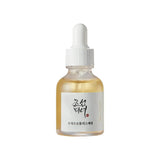
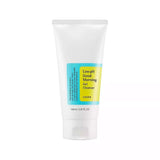


In winter, the skin loses water faster than it absorbs it. Cold weather constricts blood vessels, heated air dries out the environment, and the skin barrier bears the brunt of both at once. The result: tightness, redness, flakiness, and sometimes persistent sensitivity.
The good news: you don't need to change everything. Taking care of your skin in winter is mainly about strengthening what you already have in your routine by swapping out a few textures and adding one or two targeted active ingredients. This guide details concrete adjustments based on your skin type, the most common mistakes, and the Korean products best suited for the cold season.
Looking for a moisturizing cream specifically for winter? Korean formulas combine humectants and occlusives for results visible in as little as 48 hours. (see Korean moisturizing creams)
Why does skin condition worsen in winter? 🌬️
Skin functions like a semi-permeable membrane. Under normal conditions, its hydrolipidic film (a mixture of sebum and sweat) retains water in the epidermis and blocks external aggressors. In winter, two simultaneous phenomena break this balance.
The first is the drop in ambient humidity. Below 40% relative humidity, the skin begins to lose water through evaporation faster than it receives it. However, outdoor winter air regularly drops below 30%, and indoor heated air between 20 and 25%. The skin gets no respite during the day.
The second is repeated thermal stress. Each transition from the cold outdoors to a warm indoors causes vasoconstriction followed by vasodilation of the capillaries. For reactive or couperose-prone skin, these micro-shocks accumulate and generate persistent redness.
Added to this are hot showers (which dissolve the lipid film), forced-air heating (which is dehydrating), and the temptation to rub your face with thick towels. Skin in winter is stressed, not fundamentally different. The correct approach is to support it, not reinvent it.
The signals your skin sends in winter 📋
Before adjusting your routine, you need to identify what your skin is actually expressing. Winter symptoms are often confused with one another.
| Signal | What it indicates | Action priority |
|---|---|---|
| Tightness after cleansing | Dehydration or an overly harsh cleanser | Change cleanser first |
| Flakiness and peeling | Accumulation of dead cells + weakened barrier | Gentle BHA/AHA exfoliation, once a week |
| Persistent redness on cheeks | Repeated vascular stress or rosacea | Soothing actives (Centella, oats) + no hot water |
| Oily skin by midday despite the cold | Compensatory sebum overproduction (weakened barrier) | Hydrate more, not less |
| Acne flare-ups | Change in product textures or cold-induced irritation | Check tolerance to new actives |
The case of oily skin in winter deserves special attention. Many reduce their hydration thinking their skin "doesn't need it." This is the reverse of what should happen: a barrier weakened by cold triggers sebum overproduction to compensate. Hydrating with light gel-cream textures often solves the problem without increasing shine.
Specialist tip: The cleanser is the most underestimated product in a winter routine. Many keep their usual foaming cleanser all year round. However, cleansers containing SLS (Sodium Lauryl Sulfate) destroy the lipid film with every use. Switching to a creamy cleanser or a cleansing oil in the evening reduces tightness in 3 to 5 days, without changing the rest of the routine.
How to adapt your Korean routine for the cold? 🌿

K-Beauty is ahead of the curve when it comes to seasonality: most Korean formulas distinguish between summer and winter textures from the start, and the concept of "skip care" (a streamlined routine) is naturally complemented by a "barrier care" version in winter. Here is how to structure the adjustments.
Cleansing: in the evening, switch to double cleansing (cleansing oil then creamy cleanser) if you aren't already. In the morning, use only lukewarm water or a very mild, non-foaming cleanser. Your face does not get dirty while you sleep, and cleansing morning and evening with a stripping product in winter is often the #1 source of dehydration.
Toner and essence: apply immediately after cleansing, while the skin is still slightly damp. The hyaluronic acid in a Korean toner acts as a "water magnet": it traps residual moisture and locks it into the epidermis before it can evaporate. Using your palms instead of a cotton pad prevents unnecessary friction.
Serum: in winter, serums based on Centella asiatica (barrier repair), niacinamide (sebum regulation and anti-redness), or beta-glucan (calming immunomodulatory effect) are better suited than pure vitamin C serums, which are more irritating in cold conditions. If you use a vitamin C serum, move it to the morning and ensure your barrier is strong enough to tolerate it.
Cream: the difference between summer and winter mostly happens here. Replacing a gel cream with a richer cream in a jar is enough in most cases. Look for the presence of ceramides (NP, AP, EOP), squalane, or fermented tremella extract in the INCI list. These active ingredients replenish the intercellular lipids that cold breaks down.
SPF: UVA rays do not decrease with the temperature. They pass through clouds and reflect off snow with increased intensity at altitude. SPF remains a non-negotiable step in winter, ideally with a formula enriched with moisturizing actives so as not to dry the skin out further.
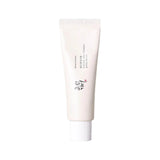
To learn more about sun protection in the cold season, check out our guide on the daily-suited Beauty of Joseon sunscreen.
Dry, combination, oily skin in winter: adapted routines 💧
The same winter does not produce the same effects depending on skin type. Here are the specific adjustments for each profile.
Dry or very dry skin: this is the most vulnerable profile. The skin barrier is structurally less dense in lipids, which amplifies water loss. Priorities: systematic double cleansing, multi-layered hyaluronic acid toner ("7 skins" method), rich cream with ceramides and omega fatty acids, and an occlusive treatment to finish in the evening (pure shea butter, Vaseline on the driest areas). A moisturizing sleep mask twice a week is a great replacement for your usual night cream during the cold months.
Combination skin: winter often exacerbates the asymmetry between the T-zone (which continues to produce sebum) and the cheeks or lip area (which dry out). The most effective technique is zone mapping: light gel on the T-zone, richer cream on the cheeks. No need to buy two separate products: applying less product on the oily zones is enough. Exfoliating with AHA acids (glycolic acid, mandelic acid) 1 to 2 times a week regulates the T-zone without aggravating dry areas, provided the concentration is appropriate (5-10% maximum in winter).
Oily skin: the most counter-intuitive. Sebum does not protect against winter aggressions as much as it seems: it is the complete hydrolipidic film (sebum + natural moisturizing factors) that provides the barrier. Oily skin can be very dehydrated. Incorporating a niacinamide serum (3 to 5%) regulates sebum production while strengthening the barrier without weighing it down. Avoid overly nourishing creams that clog pores.
Sensitive or reactive skin: winter is the most difficult season. Cold, wind, and temperature fluctuations are all triggers for irritation. The goal is to reduce stimuli, not multiply active ingredients. Simplify the routine to a maximum of 4 steps (cleanser, toner, barrier cream, SPF). Avoid exfoliants until things stabilize. Centella asiatica extracts (notably TECA: Titrated Extract of Centella Asiatica) have been the subject of clinical studies confirming their anti-inflammatory action on the skin barrier.
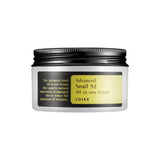
The COSRX range offers several options suitable for sensitive skin in winter, particularly those featuring snail mucin which repairs the skin barrier.
The 5 most frequent mistakes in winter 🚫

Taking care of your skin in winter also means avoiding habits that worsen the situation. These five mistakes come up systematically.
- Exfoliating too hard or too often. Winter skin is already weakened. An aggressive mechanical scrub removes protective lipids along with dead cells. Prefer a gentle chemical exfoliant (5-8% AHA) once a week maximum. If flakes appear, it's a signal of dehydration, not a call to exfoliate more.
- Taking showers that are too hot. Water above 40°C dissolves the lipid film in minutes. Lowering the temperature and reducing the time spent will show a difference in less than 10 days.
- Stopping SPF. In winter, UVB rays decrease (reducing the risk of sunburn) but UVA rays remain almost constant all year. It is UVA rays that are responsible for photo-induced skin aging and hyperpigmentation. Minimum SPF 30, every morning, all year round.
- Changing the whole routine at once. In winter, many buy 5 new products simultaneously. If a reaction appears, it's impossible to identify the culprit. Introduce one new product every 10 to 14 days, even during seasonal transitions.
- Forgetting the body and lips. The body's skin, covered up and forgotten, accumulates dead cells and dries out just as much as the face. Applying a body lotion with ceramides or urea after showering (on damp skin) multiplies its effectiveness. Lips, meanwhile, produce no sebum: an occlusive balm at night is essential.
Korean ingredients to prioritize in winter 🧴
K-Beauty has developed a particular expertise in repairing the skin barrier, with ingredients that precisely meet winter needs.
| Ingredient | Mechanism of action | Typical product |
|---|---|---|
| Snail mucin | Allantoin + glycoproteins: tissue repair, long-lasting hydration | Serum or COSRX cream |
| Centella asiatica | TECA: reduces inflammation, strengthens skin collagen | SKIN1004 serum, ANUA cream |
| Ceramides (NP, AP, EOP) | Replenish the epidermis's intercellular lipids | COSRX, Dr. Althea barrier creams |
| Beta-glucan | Immunomodulatory, reduces skin reactivity, film-forming effect | Some By Mi, ISNTREE toners and serums |
| Heartleaf (Houttuynia cordata) | Powerful anti-inflammatory, calms cold-related redness | ANUA toner and serum |
| Hyaluronic acid (3 molecular weights) | Humectant: attracts and retains water at different skin depths | Laneige, ISNTREE serums and essences |
Snail mucin deserves a special mention for winter. Its composition (allantoin at about 2%, glycoproteins, urea) makes it both a humectant and a repairer, capable of supporting the cell regeneration accelerated by seasonal thermal stress. It is well tolerated by most skin types, including sensitive ones.
To learn more about formulas suited to sensitive and reactive skin in winter, the complete guide on ANUA and heartleaf details the most effective active ingredient combinations.
How to protect your skin from the cold on a daily basis? 🧣

Topical treatments are not enough if daily habits are continuously sabotaging the skin barrier. A few non-cosmetic adjustments strengthen the effect of the products.
A humidifier in the bedroom or office keeps ambient humidity above 40-50%, directly reducing transepidermal water loss (TEWL) during hours of sleep or work. This is probably the most cost-effective non-cosmetic investment for chronically dry skin in winter.
Diet also impacts the quality of the skin barrier. Omega-3 fatty acids (flaxseed oil, fatty fish) and omega-6 (borage oil, evening primrose oil) participate in the synthesis of intercellular lipids. Supplementing with omega-3 during the cold months can improve skin resistance in the long term, according to several dermatological studies published between 2019 and 2023.
Finally, wearing a scarf to protect the lower face reduces direct exposure to cold wind on the contour of the lips and chin, areas particularly prone to chapping and peeling. Simple, but often overlooked.
In summary: taking care of your skin in winter relies on three main adjustments: lightening your cleansing routine to preserve the lipid film, enriching your textures (toner + cream) to compensate for water loss, and protecting with a daily SPF even when the sun isn't apparent. Your skin type determines the intensity of each adjustment, not the general logic.
To go further, you can take the Holy Skin skin diagnostic to receive a personalized selection adapted to your skin type and the season. Or discover our selection of Korean moisturizing creams designed for winter.

