


Oily skin produces excess sebum, which causes shine, enlarged pores, and recurring blemishes. This is not a matter of hygiene; it is a physiological response that the right routine can rebalance sustainably, without drying out or irritating the skin.
In this guide, you will understand why your skin overproduces sebum, which mistakes worsen the problem, and how a targeted Korean routine, with the right active ingredients at the right concentrations, can transform your skin in 3 to 4 weeks. We aren't promising a miracle. We are giving you a plan that works.
Looking for a Korean routine for oily skin right away? Four products selected for their synergy: a salicylic acid cleanser, a niacinamide serum, a hydrating gel, and a light SPF. (view the oily skin routine)
What exactly is oily skin? 🧬
Oily skin is skin whose sebaceous glands produce more sebum than normal. Sebum is a natural lipid substance that protects the skin barrier, but in excess, it clogs pores, creates a shiny film, and promotes the growth of acne-causing bacteria.
We speak of hyperseborrhea when production exceeds approximately 300 micrograms per square centimeter. In practice, this results in a face that is shiny by mid-morning, pores that are visible to the naked eye—often enlarged in the T-zone (forehead, nose, chin)—and comedones or pimples that reappear regularly.
Oily skin is not "dirty" skin. Washing your face 3 times a day does not solve anything. It is even one of the most common mistakes that makes the situation worse.
Why does your skin produce too much sebum? The real causes 🔍

Excess sebum has several origins, often combined. Identifying them is already half the battle.
Genetics is the primary factor. If your parents had oily skin, you are statistically more likely to have it too. Sebaceous glands are more numerous and more active in certain genetic profiles, particularly in the T-zone.
Androgen hormones directly stimulate the sebaceous glands. This is why oily skin often develops at puberty, fluctuates with the menstrual cycle, and can intensify during stress (cortisol increases sebum production). Androgens like testosterone activate receptors in the sebaceous glands, causing increased sebum production.
Dehydration is a classic trap. When the skin lacks water, it compensates by producing more sebum to protect its barrier. The result: skin that is both oily and dehydrated, which confuses many people who think they should avoid all hydration.
Routine mistakes also worsen the problem: overly aggressive cleansers that strip the skin barrier, daily exfoliants that irritate and trigger a rebound effect, and unsuitable rich creams that saturate the pores.
The specialist's advice: Using an ultra-foaming "oily skin" cleanser twice a day is one of the most common mistakes. It strips away surface lipids, which triggers a sebaceous rebound effect. The skin produces even more sebum to compensate. A gentle, slightly acidic pH cleanser (around 5.5) is more than enough.
How to recognize oily skin (and differentiate it from combination skin)? 🪞
Oily skin and combination skin are often confused, yet their care differs in several important points. Here is how to distinguish between the two profiles.
| Criterion | Oily skin | Combination skin |
|---|---|---|
| T-zone | Shiny and oily | Shiny and oily |
| Cheeks | Also oily | Normal to dry |
| Pores | Enlarged all over the face | Enlarged mainly on the nose |
| Shine | Generalized by morning | Localized on the T-zone |
| Blemishes | Frequent, all over the face | Mainly on the T-zone |
| Sensation after cleansing | Becomes oily quickly | Balanced on the cheeks |
The simplest test: wait 1 hour after cleansing, without applying anything. If your face shines uniformly, it is oily skin. If only the T-zone is shiny and the cheeks feel slightly tight, it is combination skin.
You can also take the free Holy Skin skin assessment to identify your exact profile and receive personalized recommendations.
The 5 mistakes that worsen oily skin ⚠️
Before talking about what works, we must identify what makes it worse. These five mistakes are consistently found in people with oily skin whose skin "doesn't get any better."
- Over-cleansing the skin. Maximum two cleanses per day. Beyond that, you strip away natural lipids and trigger a sebaceous rebound effect.
- Avoiding moisturizers. A persistent myth. Dehydrated oily skin produces more sebum. Proper hydration with a light gel texture is non-negotiable.
- Exfoliating too often. A chemical exfoliant (salicylic acid, glycolic acid) 2 to 3 times per week maximum. Daily use is a source of chronic irritation.
- Skipping sunscreen. SPF on oily skin is essential. Without it, post-acne marks worsen and niacinamide loses its effectiveness.
- Changing your routine too often. Oily skin responds slowly. An effective routine requires 4 to 6 weeks of regular use before evaluating the results.
Korean active ingredients that really make a difference 💊
K-Beauty has popularized a radically different approach to oily skin compared to classic Western cosmetics: no aggression, no drying out, but gentle and gradual regulation via targeted active ingredients.
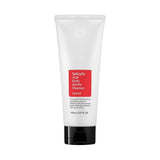
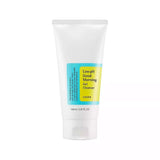
Salicylic acid (BHA) is the gold standard active ingredient for oily skin. It is a lipophilic exfoliant, meaning it penetrates oily pores to unclog them from the inside. At concentrations of 0.5% to 2%, it reduces comedones, regulates shine, and prevents pimples. It is particularly suitable for daily cleansing in a gentle formulation (COSRX Salicylic Acid Cleanser). A study published in the Journal of the American Academy of Dermatology confirms its efficacy on hyperseborrhea at concentrations of 1 to 2%.
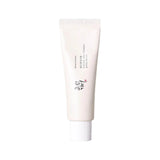
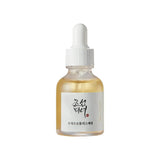
Niacinamide (vitamin B3) is probably the best versatile active ingredient for oily skin. At 5% to 10%, it reduces sebum production by inhibiting the transfer of lipids to keratinocytes, reduces enlarged pores, evens out skin tone, and fades post-acne marks. Visible results appear within 4 to 8 weeks of regular use. The Beauty of Joseon Glow Serum Propolis + Niacinamide combines niacinamide and propolis for a regulating and soothing effect.
Centella asiatica is another key K-Beauty ingredient for acne-prone oily skin. It soothes inflammation, strengthens the skin barrier, and accelerates the healing of pimples. The brand SKIN1004 is one of its best representatives on the Korean market.
Korean propolis has documented antibacterial and anti-inflammatory properties, particularly suitable for acne-prone skin.
The Korean oily skin routine: step-by-step morning and night 🌿

The Korean routine for oily skin doesn't need 10 steps. The goal is simple: cleanse without irritating, treat with the right actives, lightly hydrate, and protect. Four steps, twice a day.
Morning:
- Gentle cleansing (1 min). A salicylic acid cleanser like the COSRX Salicylic Acid Daily Gentle Cleanser at 0.5%: light foam, pH 5.0-6.0. It unclogs pores without drying.
- Regulating serum (30 sec). 2 to 3 drops of Beauty of Joseon Glow Serum Propolis + Niacinamide, patted onto clean skin. 2% niacinamide begins to act on sebum regulation starting in the second week.
- Hydrating gel (30 sec). A thin layer of gel texture with no oil. The Beauty of Joseon Red Bean Water Gel hydrates without weighing down or clogging pores.
- SPF (last step, essential). The COSRX Aloe Soothing SPF50+ has an ultra-light texture designed for oily skin. No greasy film, no white cast. Apply a generous amount: under-applying SPF reduces its actual protection.
Evening:
- Double cleanse if wearing makeup or SPF. Start with a cleansing oil or balm, then follow with the salicylic acid cleanser. Double cleansing ensures complete removal of residues without irritating the skin.
- Niacinamide serum. Same application as in the morning. At night, the skin is in repair mode, and active ingredients penetrate better.
- Hydrating gel. At night, the skin perspires and loses water. Evening hydration is just as important as in the morning to prevent the sebaceous rebound effect.
In 3 to 4 weeks of regular morning and evening use, you will see a visible reduction in shine and refined pores. Acne-prone skin generally sees post-acne marks fade by the 4th week thanks to the niacinamide.
Find details on COSRX products and their formulations in our dedicated guide.
Oily and acne-prone skin: how to adapt the routine? 💡
Oily acne-prone skin is a distinct profile that requires a few adjustments. Inflammatory acne (red papules, pustules) responds differently than simple hyperseborrhea.
Salicylic acid remains the base active ingredient, but its frequency of use should be progressive: start with every other evening for 2 weeks, then switch to daily. Very reactive skin may develop slight irritation if started too quickly.
Niacinamide is particularly valuable for acne-prone skin: it reduces redness, cuts down on the sebum production that feeds *P. acnes* bacteria, and fades post-acne marks (post-inflammatory hyperpigmentation) that appear after every pimple.
If your acne is severe, cystic, or accompanied by deep nodules, consult a dermatologist before adding exfoliating actives. Severe inflammatory acne may require dermatological treatment (retinol, topical antibiotics, or oral isotretinoin) in addition to the routine.
For oily, acne-prone skin looking for a reliable starting point, also check out our guide on Beauty of Joseon products, a brand that formulates specifically for this skin type.
Oily skin: the real takeaways 📝

Oily skin is skin that produces too much sebum due to genetic and hormonal factors, which is worsened by bad habits. It should not be treated with harshness, but with targeted active ingredients, proper hydration, and consistency in the routine.
The three principles to remember: cleanse without stripping (acidic pH, gentle cleanser), treat primarily with salicylic acid and niacinamide, and hydrate with light gel textures. SPF is not optional, especially if you are using regulating active ingredients.
If you want to get straight to the point, the Holy Skin Korean oily skin routine brings together the four key products selected for their synergy. And if you are still unsure about your skin type, the free skin assessment can help you identify your exact profile before choosing.

