
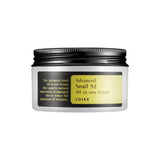


Koreans have beautiful skin thanks to a combination of three factors: a rigorous daily skincare routine based on prevention, sun protection applied from childhood, and products formulated with concentrated, clinically validated active ingredients. In Korea, skin is treated as capital to be maintained long-term, not as an urgent problem to be corrected. It's not a question of genetics; it's a question of habits.
Are you wondering what lies behind the glow associated with K-Beauty? The answer is less mysterious than it seems. Korean skincare practices are documented, reproducible, and accessible, regardless of your skin tone or type. We detail everything here.
Sun prevention: the #1 secret underestimated by the West ☀️

In South Korea, sun protection isn't just a summer habit. It's a daily step, applied from childhood, twelve months a year, cloudy or not. 80% of visible skin aging (wrinkles, spots, loss of radiance) is attributable to UV rays, according to dermatological photoprotection data. This is where the essential difference lies.
The Korean SPF culture explains why a 40-year-old woman can have a skin texture that many associate with youth. UVA radiation penetrates the deep dermis, degrades collagen, and accelerates irregular pigmentation. UVB, on the other hand, burns and causes keratosis. Without daily protection, every day spent outdoors leaves a cumulative trace.
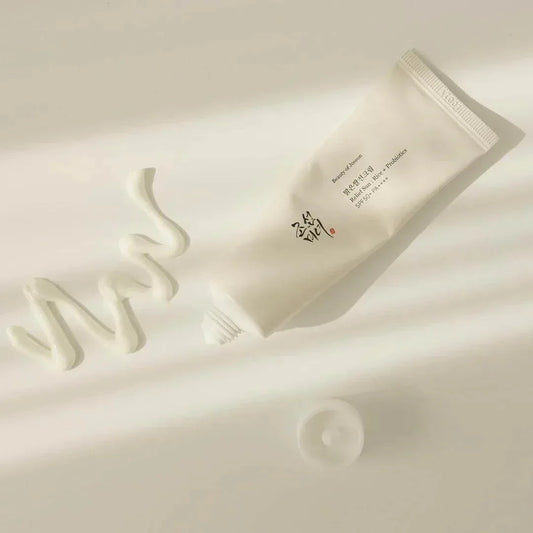
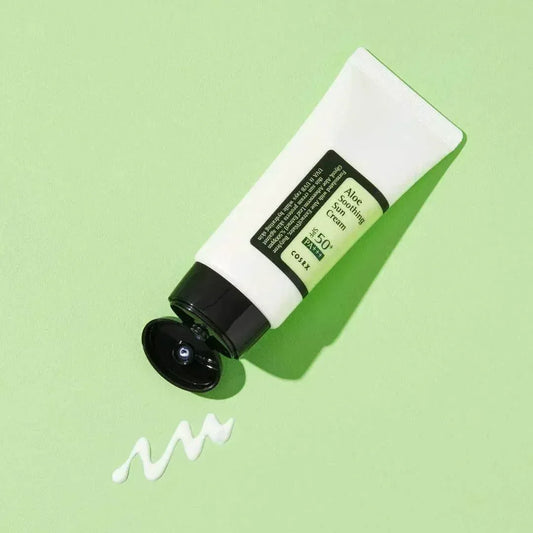
Korean sunscreen formulas have also evolved much faster than their European counterparts. Fluid textures, non-sticky finishes, hybrid chemical and mineral filters: they are designed to be worn comfortably under makeup or alone. This makes application easier.
Expert tip: Applying SPF only in summer is the most common mistake in France. UVA radiation varies by only 20% between January and July. An SPF50+ cream worn daily for 12 months is better than an SPF100 applied two weeks a year.
A structured routine: why sequence matters more than products 🧴

The multi-step Korean routine is not a marketing whim. Each step prepares the skin to absorb the next, respecting the physiology of the skin barrier. What makes the difference is not the number of products, but the order and logic of the sequence.
The typical Korean routine is structured as follows:
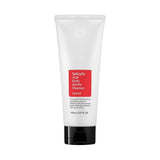
- Double cleansing: a cleansing oil dissolves sebum, SPF, and makeup; a water-based cleanser removes residues. Result: clean skin without altering the hydrolipidic film.
- Toner (or "first essence"): rebalances the skin's pH after cleansing and prepares the subsequent layers to absorb active ingredients. A healthy skin pH is between 4.5 and 5.5; most cleansers slightly disrupt it.
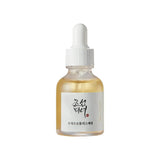
- Serum or ampoule: concentrated targeted active ingredients (niacinamide for radiance, hyaluronic acid for hydration, retinol for cell renewal).
- Moisturizer: seals in active ingredients, restores the skin barrier, and limits transepidermal water loss (TEWL).
- SPF in the morning: mandatory, regardless of the weather.
The 10-step routine popularized in the media remains a showcase. The majority of Koreans apply a simplified version of 4 or 5 steps depending on their skin type and the season. The central idea is regularity, not the volume of products.
Korean active ingredients that really make a difference 🌿
Korean formulations are distinguished by the use of active ingredients that are both natural and scientifically validated, at effective concentrations. Three ingredients dominate the most clinically documented Korean routines.
| Active Ingredient | Mechanism of Action | Visible Benefit | Realistic Timeline |
|---|---|---|---|
| Snail mucin | Stimulates collagen synthesis, accelerates healing | Smoother texture, reduction of marks | 4 to 8 weeks |
| Centella asiatica (CICA) | Anti-inflammatory properties, strengthens skin barrier | Reduction of redness, soothing | 2 to 4 weeks |
| Niacinamide (vit. B3) | Inhibits melanin transfer, regulates sebum | Radiance, refined pores, unified complexion | 4 to 6 weeks |
| Hyaluronic acid | Water capture in the dermis (up to 1,000x its weight) | Bounce, firmness, immediate comfort | Immediate to short term |
| Heartleaf (Houttuynia cordata) | Natural antimicrobial, anti-seborrheic | Reduction of imperfections, soothed skin | 3 to 6 weeks |
These active ingredients are not trends: their effectiveness is documented in published studies. Concentration is crucial. A 5% niacinamide serum does not have the same effect as a cream containing trace amounts. Reading the INCI before purchasing remains the best way to evaluate a product.
How Koreans get beautiful skin: the importance of cleansing 💧
Double cleansing is probably the Korean practice that has the greatest immediate impact on skin texture. The logic is simple: a water-based cleanser alone does not effectively dissolve oxidized sebum, chemical sunscreens, or waterproof makeup. These residues remain on the surface and clog pores.
Cleansing oil (or cleansing balm) is applied first, on dry skin, with circular massage. It captures lipids by chemical affinity. Emulsified with a little water, it transforms and is easily removed. The foaming or gel cleanser then takes over to clean aqueous residues and pollutants.
In France, 70% of women use only one makeup remover product according to GfK beauty studies. For skin exposed to urban pollution, this is insufficient in the long term. Incomplete cleansing is a direct cause of blackheads, irregular texture, and gradual dullness.
Expert tip: Use a cleansing oil with dry hands on a dry face. Many start on damp skin, which reduces its effectiveness by half. Emulsification should be done at the end of the massage, not at the beginning.
Diet and hydration: a real role, but often overestimated 🥢

The Korean diet contributes to skin health, but it alone does not explain the difference in skin. What is documented, however: fermented foods like kimchi enrich the gut microbiome, and a balanced microbiome is correlated with a more resilient skin barrier. Seaweeds (wakame, nori) provide antioxidants and zinc, useful in sebum regulation.
Internal hydration (water, herbal teas, broths) maintains cell turgor and limits superficial dryness. It does not replace topical hydration but reinforces it. The two act on distinct mechanisms.
What also plays a role: stress management. Chronic cortisol degrades collagen, disrupts the skin microbiome, and aggravates inflammatory conditions such as acne or eczema. Korean wellness practices (hot baths, jimjilbang, regular sleep) have an indirect but real impact on the skin.
Can you have radiant skin like Koreans without changing your entire routine? ✨
Yes. The three most impactful actions to adopt first are:
- Daily SPF, 365 days a year. This is the only anti-aging action whose effectiveness is unanimously recognized by dermatology. An SPF50+ applied every morning will have more effect in 5 years than any serum without associated protection.
- Double cleansing in the evening. Remove sebum, SPF, and pollution residues before applying any other product. Clean skin absorbs subsequent active ingredients better.
- A targeted serum with concentrated active ingredients according to your main concern: niacinamide for radiance and unified complexion, centella for sensitive or reactive skin, snail mucin for texture and light scars.
The complete routine can come later, gradually. Starting with three well-executed steps is better than a ten-step routine abandoned in two weeks.
If you don't yet know your skin type or where to start, Holy Skin's free skin diagnostic provides personalized recommendations in 2 minutes. And if you want to directly explore the most used serums in Korean routines, the selection of K-Beauty serums brings together the most requested formulas.





1 comment
To improve skin fairness like koreans