


Acne supplements can reduce inflammation and regulate sebum, but they are no substitute for an appropriate topical routine. Here is what research says, and our concrete recommendations for you.
Hormonal acne, adult acne, breakouts that return despite a careful routine: many turn to supplements as a complementary solution. It is a serious path to consider, provided you understand what these products actually do, who they work for, and under what conditions they provide visible results. This article explains which active ingredients have evidence behind them, which are overrated, and how to intelligently combine them with a Korean routine.
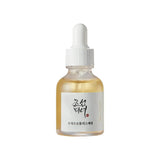
Looking for a Korean acne routine right away? It combines salicylic acid, snail mucin, and centella to treat and repair simultaneously. see the acne-prone skin routine
What dietary supplements can do for acne 🔬
Anti-acne supplements mainly act on three mechanisms: regulation of sebum production, reduction of systemic inflammation, and hormonal balance. They do not directly attack bacteria in the pore (that is the role of topical actives), but they can modify the environment.
Acne is a multifactorial pathology. 80% of adolescents and 15 to 20% of adults are affected, with a rising prevalence in women aged 25 to 40, primarily in hormonal form. In this context, supplements can act upstream, before the pimple forms, by limiting the overproduction of sebum triggered by androgens or by reducing the inflammatory response.
What they do not do: treat already formed comedones, unclog pores, or erase existing post-acne marks. For that, topical actives remain essential.
The 5 active ingredients with the most clinical evidence 📊

Among the dozens of active ingredients present in anti-acne supplements, five have a solid scientific basis and deserve attention.
Zinc is the best-documented active ingredient. Several controlled studies show that it reduces inflammatory acne lesions, with an effect comparable to oral antibiotics in some cases of mild to moderate acne (Source: Journal of the American Academy of Dermatology, link to be added manually). The mechanism: zinc inhibits the 5-alpha-reductase enzyme involved in the conversion of androgen hormones, which directly limits sebum production. The gluconate or bisglycinate form is better absorbed than zinc oxide. Typical studied dose: 30 to 45 mg per day.
Vitamin B3 (niacinamide) in topical use is already well known, but it also exists as an oral supplement. Studies show a systemic anti-inflammatory effect, particularly on inflammatory acne. It is particularly interesting in combination with zinc.
Probiotics represent the most recent and probably the most promising angle. The gut-skin axis is well-documented: imbalances in the gut microbiome are correlated with more severe acne. Strains like Lactobacillus rhamnosus and Lactobacillus acidophilus have shown preliminary results in reducing acne lesions (Source: PubMed). The effect is slower (12 weeks minimum), but can be more lasting.
Evening primrose oil and omega-3 (EPA/DHA) act on systemic inflammation. Inflammatory acne (papules, pustules) is partly linked to an overproduction of pro-inflammatory leukotrienes. Omega-3s reduce this cascade. A 2012 study published in Lipids in Health and Disease observed a significant reduction in inflammatory lesions after 10 weeks of EPA/DHA supplementation.
Vitamin D is often deficient in people suffering from severe acne. If this deficiency is confirmed (to be checked via blood test), supplementation can improve the cutaneous immune response. It is not a direct anti-acne active ingredient, but a correction of a deficiency that worsens the condition.
| Active Ingredient | Mechanism | Action time | For whom |
|---|---|---|---|
| Zinc | Inhibits 5-alpha-reductase, reduces sebum | 4 to 8 weeks | Moderate, combination/oily acne |
| Probiotics | Gut-skin axis, microbiome | 12 to 16 weeks | Stress-related or antibiotic-related acne |
| Omega-3 | Systemic anti-inflammatory | 8 to 12 weeks | Inflammatory acne (papules, pustules) |
| Niacinamide (B3) | Anti-inflammatory, regulates keratinization | 6 to 10 weeks | Moderate acne, sensitive skin |
| Vitamin D | Cutaneous immune modulation | 12 weeks+ | If deficiency is confirmed |
Hormonal acne supplements: what changes 🔄
Hormonal acne follows a different pattern: cyclical flare-ups (before periods, during stress), location on the lower face, jawline, and neck, and often resistance to classic topical treatments.
For this profile, two additional active ingredients come into play. DIM (diindolylmethane), extracted from broccoli and other cruciferous vegetables, helps the liver metabolize excess estrogen, reducing its effect on sebaceous glands. Results are reported at 100 to 200 mg per day, but studies remain limited and results vary significantly from person to person.
Chasteberry (Vitex agnus-castus) has long been used to regulate hormonal cycles. Its effect on hormonal acne remains scientifically debated, but some women report a clear improvement in pre-menstrual flare-ups. Do not use while on hormonal contraception without medical advice.
The specialist's tip: Many test hormonal supplements alone for weeks without results because they do not combine them with an appropriate topical routine. The oral active ingredient acts on the environment, but if the pores are clogged and the local inflammation is not treated, the result remains invisible. Always combine the supplement with an active topical treatment like salicylic acid or centella.
Dietary supplements and Korean skincare: how to combine them effectively 🌿
Korean anti-acne skincare is designed to treat and repair simultaneously, without damaging the skin barrier. It is the opposite approach to classic Western treatments that tend to dry out and irritate.
The logic of combination is simple: supplements take care of the internal environment (sebum, systemic inflammation, hormones), while topical actives handle the imperfection itself and the repair. In parallel, not instead of one another.
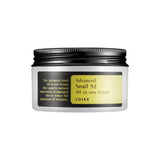
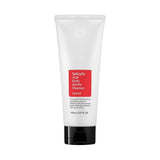
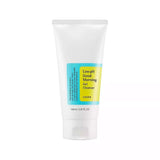
A concrete example: you take zinc and omega-3 at breakfast in the morning. In the evening, you apply a salicylic acid cleanser like the COSRX Salicylic Acid Daily Gentle Cleanser, which unclogs pores, followed by a centella asiatica serum to calm local inflammation. The COSRX Snail 92 cream repairs the barrier and reduces post-acne marks. SPF in the morning protects to prevent marks from worsening.
This two-level protocol (oral + topical) is what Korean dermatologists recommend for mild to moderate acne before moving on to medical treatments.
If you want a K-Beauty routine already built for acne-prone skin, see our complete guide on COSRX skincare, with details on products by step and skin profile.
Dietary supplements that are useless against acne 🚫

The anti-acne supplement market is saturated with products making bold claims and having weak evidence. Three categories to avoid or view with skepticism.
"Detox" or "clear skin" complexes sold as complete solutions are generally combinations of plants (burdock, nettle, dandelion) whose effects on acne have not been proven in controlled studies. The concept of "detox" is not recognized by scientific dermatology: the liver and kidneys perform this function without outside help.
High-dose Vitamin A (without a prescription) is dangerous. Oral isotretinoin is a Vitamin A derivative available only by strict prescription. Vitamin A supplements available over-the-counter do not contain therapeutic concentrations effective against acne, and an excess can become toxic (liver risks, teratogenic for pregnant women).
Proprietary formulas with 10 active ingredients mixed in small amounts each. The efficacy of an active ingredient like zinc depends on an adequate dose. A complex containing 5 mg of zinc among 9 other ingredients will have no effect on seborrhea.
Acne supplements: what to remember before buying 📋
Three concrete points of reference before choosing an anti-acne dietary supplement.
First, identify your profile: inflammatory acne or comedones, hormonal or non-hormonal acne, oily skin with excess sebum, or sensitive skin prone to breakouts. The supplement is not the same depending on the clinical picture.
Second, check the dosages: an effective zinc supplement must contain at least 15 mg of bioavailable elemental zinc (gluconate or bisglycinate) per dose. An anti-inflammatory omega-3 must provide 1,000 to 2,000 mg of EPA + DHA per day.
Third, give it time: no dietary supplement works on acne in two weeks. The skin turnover rate is at least 28 days. Expect 6 to 12 weeks before evaluating a real result.
If your acne is severe, cystic, or resistant to several months of appropriate treatment, consult a dermatologist. Dietary supplements are a care complement, not a substitute for medical follow-up.
To learn more about the K-Beauty topical routine, our article on Anua skincare for acne-prone and sensitive skin provides an in-depth reading on heartleaf and centella asiatica actives.
Key takeaways 💡
Anti-acne supplements work, provided you choose the right active ingredients at the right doses and include them in a comprehensive strategy. Zinc and omega-3s have the strongest evidence. Probiotics are the most promising angle in the medium term. None replace an appropriate topical routine.
If you are looking to treat acne comprehensively, two natural steps from this article: start by identifying your skin type with our free skin diagnostic, then discover the Korean acne-prone skin routine built to treat and repair simultaneously.

