
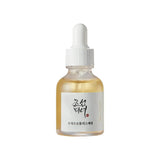
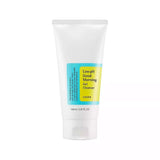


We've all been there: clearer, brighter, almost plumped skin after a salon treatment… then the frustration of not being able to achieve the same results at home. Too many products, too many steps, or conversely, not enough. And sometimes, a few breakouts appear after an improperly formulated at-home treatment.
So, how do you get a salon-quality facial without damaging your skin, especially if you have combination, sensitive, or adult acne-prone skin? The answer lies less in the quantity of products used than in the logical sequence of steps, respecting the skin barrier, and having realistic expectations. We'll break it all down simply.
Why does a spa treatment work so well? 🔍
A professional skincare treatment rests on three pillars: a progressive deep cleansing, controlled exfoliation, and a targeted treatment phase tailored to your skin type. Nothing is left to chance, especially not the order of the steps.
In a salon, the esthetician observes your skin, adjusts the pressure, application time, and frequency of active ingredients. At home, we tend to want to "do the same" in a single session, which can overstimulate the skin, especially if it is already sensitive.
Expert advice: A good facial treatment should never leave your skin burning or red for hours. Gentle stimulation is fine. Persistent inflammation is not.
What are the essential steps for a successful facial treatment? 🧴
If you're wondering how to give yourself a salon-quality facial at home, start by simplifying. An effective treatment follows a logical structure, inspired in particular by Korean routines.
- Double cleansing: a Korean cleansing oil to dissolve makeup and sebum, followed by a gentle Korean facial cleanser to purify without stripping.
- Gentle exfoliation: 1 to 2 times per week with a light chemical or enzymatic Korean facial scrub .
- Hydration and treatment: toner, targeted serum then cream adapted to your skin type.
- Targeted mask: hydrating, soothing or purifying depending on your current needs.
The key is not to add ten products, but to respect the order and adapt the intensity to your skin.
How to adapt skincare for combination, sensitive, or acne-prone skin? ⚖️
This is where many people go wrong. Combination or adult acne-prone skin doesn't need to be "stripped." It needs balance. Over-exfoliating can stimulate sebum production and worsen blemishes.
If your skin feels tight, reddens easily or has inflammatory imperfections, it is best to favour soothing active ingredients (centella asiatica, low concentration niacinamide) and limit exfoliation to once a week.
For skin prone to persistent breakouts, a structured routine like the acne-prone skin routine allows you to work gently on sebum, pores and marks, without excessive layering of active ingredients.
Expert advice: if your skin feels hot during the treatment, immediately reduce the number of active steps. The "it tingles, so it's working" effect is a myth.
How often should I do a home facial treatment? 📅
A complete spa treatment isn't something you get every two days. For most skin types between 25 and 34 years old, once a week is more than enough.
Between these sessions, a consistent daily routine is more important than a one-off "deep treatment." If you're unsure of your skin type, the safest option is to get a free skin analysis to avoid using unsuitable products.
Consistency creates results. Overdoing it creates problems.
Common mistakes that sabotage your facial care routine 🚫
Before looking for new products, check that you are not in one of these situations:
- Use multiple exfoliants (scrub + acids + purifying mask on the same day).
- Leave a mask on longer "so that it works better".
- Forget about moisturizing after a purifying treatment.
- Testing several new products on the same day.
These mistakes often explain the breakouts that appear after a home treatment. The skin reacts to the overload, not necessarily to the product itself.
Can you really recreate a salon-quality effect at home? 💆♀️
Yes, to some extent. You can achieve brighter, smoother, and more comfortable skin if you follow the steps and gradual application. However, what you can't replicate are certain professional devices or specific techniques.
The realistic goal isn't to copy a salon protocol exactly, but to incorporate a version adapted to your skin and your daily routine. This is more sustainable… and often more effective in the long run.
Expert advice: Soothed and even skin is a better indicator of success than a spectacular but temporary “glow” effect.
FAQ – Your most frequently asked questions 🤔
How long should a home facial treatment last?
A complete treatment typically lasts between 30 and 45 minutes. There's no need to exceed this time. What matters is following the steps carefully and respecting the recommended application times.
If you're short on time, opt for a double cleanse, a targeted mask, and thorough hydration. A short but well-executed treatment is better than a long and haphazard one.
Can I have a facial treatment if I have active pimples?
Yes, but with caution. Avoid harsh mechanical scrubs and overly drying masks. Opt instead for soothing and repairing ingredients.
In cases of severe inflammatory acne, it is best to stick to a gentle and structured routine, without using multiple active ingredients on the same day.
Is it always necessary to exfoliate during a facial treatment?
No. Exfoliation is helpful, but it's not always necessary. If your skin is already sensitive, dry, or reactive, skipping this step might be more beneficial.
Listening to the condition of your skin on the day of the procedure is more important than following a rigid protocol.
In summary: simplicity, consistency, and patience ✨
How do you achieve a salon-quality facial? By following the key steps, avoiding an overload of active ingredients, and adapting the protocol to your skin type. The results come from consistency, not intensity.
If you're unsure of your skin type or if your imperfections persist despite your efforts, start with a free skin analysis . A tailored routine is often more effective than the occasional dramatic treatment.

