


As early as mid-September, your skin sends clear signals: tightness upon waking, dull complexion, blemishes reappearing after having calmed down in summer. This is no coincidence. The transition to autumn triggers real physiological changes in the skin, and a routine designed for July is no longer sufficient.
The good news: K-Beauty is built around the idea of adapting your routine to current needs. This guide gives you the concrete adjustments to make, ingredient by ingredient, step by step, to get through the season without tightness or breakouts.
Are you looking for a Korean routine adapted for autumn? Our routines are selected by skin type and season, featuring only authentic Korean brands. (view Korean routines)
Why does skin change in autumn? 🍂
Your skin reacts to two simultaneous phenomena in autumn: the drop in external humidity and the activation of indoor heating. Both factors reduce ambient humidity, which accelerates transepidermal water loss (TEWL). In short: your skin loses water faster than it absorbs it, which weakens its skin barrier.
According to a study published in the Journal of Investigative Dermatology, sebum production decreases by 10 to 25% between July and November in temperate climates. This change affects all skin types, not just dry skin. Combination or oily skin can become dehydrated in autumn while still producing localized shine, which creates confusion in product selection.
Acne-prone skin is also affected: the disruption of the skin barrier promotes inflammation and can trigger breakouts, even in usually stable skin.
Which K-Beauty ingredients should be prioritized in autumn? 🌿

K-Beauty offers active ingredients precisely calibrated for dehydration and barrier strengthening. Here are the ingredients to highlight from September onwards.
Multi-molecular weight hyaluronic acid is the basic active ingredient for autumn. Korean formulas often include three molecular weights simultaneously: high molecular weight hydrates the surface immediately, medium molecular weight penetrates the epidermis, and low molecular weight reaches the deeper layers. The result: multi-level hydration, not just on the surface.
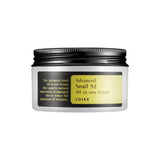
Snail mucin (snail secretion filtrate), at concentrations of 92 to 96% in COSRX formulas, combines three useful actions in autumn: hydration via naturally present hyaluronic acid, barrier repair via allantoin, and a slight anti-inflammatory effect. It's the ingredient you can use all season without risk of irritation.
Ceramide is the cement of the skin barrier. Skin stressed by cold and heating loses ceramides, making the barrier porous. Korean formulas such as those from COSRX or Anua incorporate natural or synthetic ceramides in their seasonal creams.
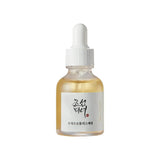
Centella asiatica, at concentrations of 70 to 100% in SKIN1004 formulas, accelerates skin repair and reduces reactivity. This is the active ingredient to prioritize if your skin becomes red or sensitive in autumn.
Madecassoside, extracted from centella, acts more specifically on inflammation. It is particularly useful for acne-prone skin that experiences breakouts as soon as the barrier is weakened.
How to adjust your morning and evening routine for autumn? ☀️🌙
The autumn adjustment does not mean changing everything. It's about modifying 2 to 3 key steps and leaving the rest intact.
Morning
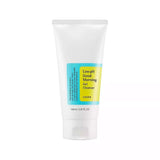
- Gentle cleanser or Korean micellar water: In autumn, a strong foaming cleanser is too harsh. Switch to a creamy or light gel cleanser, with a pH between 4.5 and 5.5. The skin stays clean without its barrier being compromised before the day.
- Hydrating toner on damp skin: Apply it to still slightly damp skin to maximize absorption. An aloe vera or bamboo extract-based toner is sufficient for most skin types.
- Hyaluronic acid serum: 2 to 3 drops, applied to damp skin. Caution: hyaluronic acid used on dry skin in a dry environment can have the opposite effect and dehydrate the skin by drawing water from deeper layers.
- Richer moisturizer than in summer: No need to switch to a "butter" cream if you had normal skin, but slightly increase occlusivity. Korean gel-cream textures are suitable until mid-October, then classic cream textures take over.
- SPF 50 every morning: UVA UV rays remain present in autumn at 70 to 80% of their summer intensity, even on cloudy days. Skipping SPF in autumn is one of the most common mistakes. A lightweight Korean sunscreen does not leave a white cast and layers seamlessly under foundation.
Evening
- Double cleansing if you wear SPF or makeup: Korean cleansing oil first to dissolve SPF and sebum, then gentle foaming cleanser to finish.
- Hydrating essence (optional but recommended in autumn): This is the step most French routines skip. Essence pre-saturates the skin with water before applying active ingredients, which improves their penetration.
- Repairing serum: In autumn, prioritize ceramide or snail mucin serums over vitamin C serums, which are more oxidizing. Vitamin C is still useful but can wait until the next morning if your skin is sensitive.
- Richer night cream: It's at night that the skin repairs and regenerates. A night cream with shea butter, squalane, or Korean rice honey promotes this regeneration without creating a greasy feeling upon waking.
Expert tip: Many people stop using sunscreen as soon as the sun disappears. This is a calendrical error, not a climatic one. UVA rays penetrate clouds and glass, and continue to generate spots and fine lines during autumn and winter. Korean sunscreen is the least negotiable step in your annual routine.
What mistakes to avoid when transitioning to an autumn routine? ⚠️

These mistakes systematically recur with each change of season.
Mistake 1: Changing everything at once. Skin takes 28 to 40 days to renew itself. Changing 5 products simultaneously makes it impossible to identify the product responsible in case of a reaction. Change one product every two weeks, starting with the moisturizer.
Mistake 2: Adding acidic exfoliants to "cleanse" dull skin. Autumn is precisely the season when you should reduce exfoliation frequency, not increase it. Skin whose barrier is weakened by cold cannot tolerate the same frequency of AHA or BHA as in summer. Go from 3 times a week to 1 or 2, and monitor for signs (redness, tingling after applying other products).
Mistake 3: Using products formulated for summer. Summer gel textures, strong foaming cleansers, and high-acid serums are often too aggressive for skin with reduced defenses. It's not that the products are bad: it's that the context has changed.
Mistake 4: Ignoring internal hydration. Autumnal skin dehydration also has an internal component. Reducing water intake because it's less hot is a mistake: hydration needs do not change as radically as the outdoor temperature.
What skin type requires what specific adjustments? 🔍
Autumn does not affect all skin types in the same way. Here are the adjustments by profile.
| Skin Type | Main problem in autumn | Priority adjustment | Key ingredient |
|---|---|---|---|
| Dry skin | Intense tightness, flaking | Switch to a rich cream from September | Ceramide, shea butter, squalane |
| Combination skin | Oily T-zone but dry cheeks | Localized hydration for U-zone, mattifying care for T-zone | Hyaluronic acid + niacinamide |
| Oily skin | Dehydration masked by sebum | Light hydrating serum, no heavy cream | Snail mucin, low molecular weight hyaluronic acid |
| Sensitive skin | Redness, increased reactivity | Temporarily remove irritating active ingredients | Centella asiatica, madecassoside |
| Acne-prone skin | Breakouts linked to barrier weakening | Strengthen the barrier before treating imperfections | Centella, ceramide, then BHA 1 time/week |
If you don't know exactly which category you belong to or if your skin type has changed this summer, the free skin diagnostic takes 3 minutes and gives you a personalized routine.
What specific K-Beauty products for an autumn routine? 🧴
Here is a selection designed to meet the needs of the season, without overloading your routine.
Cleanser: A low-foaming cleanser with an acidic pH (4.5-5.5) preserves the hydrolipidic film. COSRX and Anua formulas are formulated within this range.
Toner : A centella or Korean aloe vera-based toner provides the foundational layer of hydration before active ingredients. The SKIN1004 range with 70% centella asiatica is particularly suitable for skin that reddens in autumn.
Essence: The COSRX Advanced Snail 96 Mucin Power Essence, with 96% snail secretion filtrate, hydrates, repairs, and calms simultaneously. It is one of the most versatile products for seasonal transition.
Moisturizer: A gel-cream or light cream texture for combination and oily skin, a rich cream for dry skin. The Beauty of Joseon Dynasty Cream is particularly effective for early winter skin comfort.
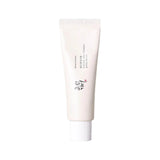
SPF: The Beauty of Joseon SPF 50 sunscreen is suitable for year-round use without a white cast. It is one of the rare formulas tolerated without additional mattification.
In summary: 3 essential tips for your skin in autumn 🌟
First priority: strengthen the skin barrier before adding active ingredients. Skin with a weakened barrier will react poorly to AHA, vitamin C, or retinols, even at low concentrations. Start with ceramide and centella, wait two weeks, then gradually reintroduce your active ingredients.
Second priority: do not skip SPF. UVA rays penetrate clouds and remain active until November. A lightweight Korean sunscreen seamlessly integrates into your autumn morning routine.
Third priority: hydrate on two levels. A hyaluronic acid serum applied to damp skin, followed by a slightly richer cream than in summer. This combination addresses atmospheric dehydration without weighing down the skin.
If you want to build a complete autumn routine adapted to your skin type, consult our selection of Korean routines or take the free skin diagnostic for a personalized recommendation.

